HomeAboutBlog
nisi logo
Ask AIContact
nisi logo white

Our mission is to empower people through knowledge, innovation, and trust-driven digital experiences.

Menu

  • About
  • Blog
  • Ask AI
  • Contact

Categories

  • Health
  • Lifestyle
  • Utility
  • Wealth

Links

  • Privacy Policy
  • Disclaimer
© 2026 All Rights Reserved.
Facebook page

Disclaimer: All content on this website is for general information and education only, not professional advice. Health and fitness content is not a replacement for medical care, always consult a qualified healthcare professional. financial and wealth related content is not legal, financial, or investment advice, please contact professionals before making any decisions, fifestyle and utility articles are based on experience, research, and public sources for awareness purposes only. we do not guarantee accuracy or completeness, and any actions you take based on this content are at your own risk. AI tool provides automated responses generated by machine learning models. The outputs may be incorrect, incomplete, or misleading. We make no representations or warranties regarding the accuracy, reliability, or suitability of the information produced. Use of this AI and reliance on its outputs is entirely at your own risk. Always verify important information with trusted sources.

  1. Home
  2. /Blog
  3. /Health
  4. /Vitamin B12 Importance, Deficiency Symptoms, and Top Veg & Non-Veg Food Sources

Vitamin B12 Importance, Deficiency Symptoms, and Top Veg & Non-Veg Food Sources

mehul gajjar
Mehul Gajjar
Updated on: Jan 07, 2026
Health
b12

Vitamin B12, also known as cobalamin, is a water-soluble vitamin that plays a vital role in maintaining nerve health, producing red blood cells, and supporting DNA synthesis. Despite being essential for numerous bodily functions, many people are unaware of its importance-especially vegetarians and vegans who are more prone to deficiency.

In this article, we will cover:

  • Why Vitamin B12 is important
  • What happens when your body lacks it
  • Best food sources-both vegetarian and non-vegetarian
  • Prevention and supplementation tips

B12 is like a spark that transforms food into energy.

Why Vitamin B12 is Important

Vitamin B12 helps:

  • Form healthy red blood cells that carry oxygen throughout the body
  • Maintain a healthy nervous system, including brain functions
  • Produce DNA and genetic material in all cells
  • Support energy metabolism, preventing fatigue and weakness
  • Prevent certain types of anemia, particularly megaloblastic anemia

It is essential at every age-but particularly crucial for:

  • Pregnant women
  • Elderly individuals
  • People with absorption issues like those with IBS or Crohn's disease
  • Vegetarians and vegans

Symptoms and Risks of Vitamin B12 Deficiency

When your body doesn't get enough Vitamin B12, you may experience a wide range of health issues, some of which can be serious if not addressed in time.

Common Symptoms:

  • Constant tiredness or fatigue
  • Memory problems or brain fog
  • Numbness or tingling in hands and feet
  • Pale or jaundiced skin
  • Mood changes, depression, or irritability
  • Muscle weakness
  • Shortness of breath
  • Glossitis (inflamed tongue) and mouth ulcers

If left untreated, long-term deficiency can lead to:

  • Neurological problems
  • Permanent nerve damage
  • Cognitive decline in elderly
  • Infertility issues
  • Heart disease risk due to elevated homocysteine levels

Take care of your nerves and invest in your future.

Top Food Sources of Vitamin B12

Since Vitamin B12 is naturally found only in animal-based foods, vegetarians and vegans need to pay special attention to their intake.

Non-Vegetarian Sources of Vitamin B12

These foods are rich in Vitamin B12 and easily absorbed by the body:

  • Liver and kidney (especially beef liver): Among the richest sources of B12
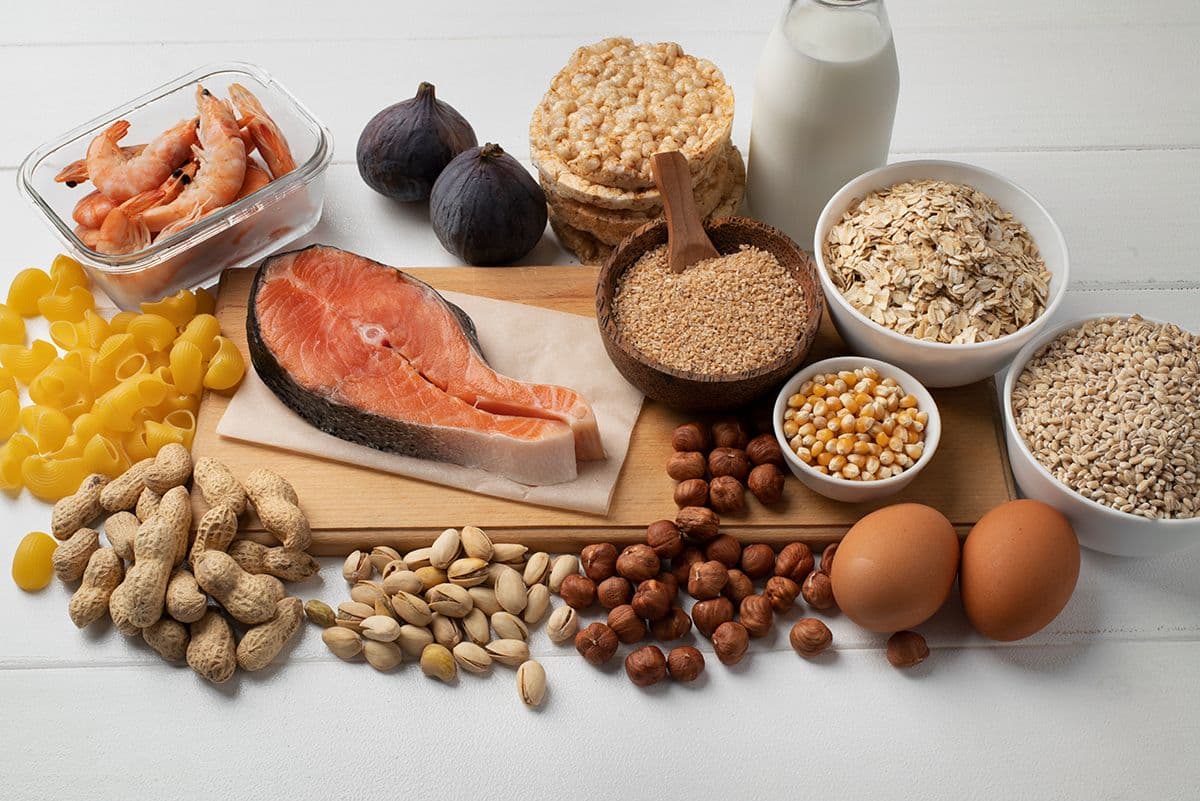
  • Fish (salmon, tuna, sardines, trout, mackerel): High in B12, omega-3, and protein
  • Shellfish (clams, oysters, crab, shrimp): Excellent source of B12 and other minerals
  • Chicken and turkey
  • Eggs (especially the yolk)
  • Dairy products (milk, cheese, yogurt)

Even a small serving of these foods can meet the daily requirement of 2.4 mcg of B12 for adults.

Vegetarian and Vegan Sources of Vitamin B12

Since plant foods do not naturally contain B12, vegetarians and vegans must rely on fortified foods or supplements.

  • Fortified breakfast cereals: Often enriched with B12, especially for vegans
  • Nutritional yeast (fortified): A popular option for vegans with a cheesy flavor
  • Fortified plant-based milk (soy, almond, oat)
  • Fortified tofu or plant-based meats
  • Mushrooms grown in B12-enriched medium (less reliable)

Note: Seaweed, spirulina, and fermented soy are not reliable sources as they may contain inactive B12 analogs.

Supplements and Daily Needs

If you have trouble getting enough B12 from your diet, supplementation is often necessary.

  • Daily Requirement for Adults: 2.4 mcg
  • Pregnant Women: 2.6 mcg
  • Breastfeeding Women: 2.8 mcg

You can take oral supplements, B12 sprays, or injections (if severely deficient). Methylcobalamin is a highly absorbable form used in supplements.

Always consult a doctor before starting supplements-especially if you're pregnant, elderly, or have a health condition.

How to Prevent B12 Deficiency

  • Get regular checkups-especially if you're over 50 or follow a vegetarian/vegan diet
  • Include B12-rich or fortified foods in your meals
  • Consider supplements if you're at risk
  • Monitor B12 levels during pregnancy or after bariatric surgery
  • Avoid self-diagnosing-symptoms like fatigue or memory loss could have multiple causes

Vitamin B12 is often overlooked until symptoms arise. Whether you follow a plant-based diet or eat animal products, it's important to ensure you meet your daily needs. Fatigue, nerve issues, and memory problems can often be linked to low B12 levels.

For a healthier body and sharper mind, be mindful of what you eat-and don't hesitate to consult a healthcare provider about your Vitamin B12 status.

mehul gajjar
Author
Mehul Gajjar
Mehul Gajjar is a dedicated writer passionate about health, wealth, lifestyle, fitness, and utility. He creates clear, evidence-based content focused on sustainable habits, holistic well-being, and practical fitness strategies that fit real life, empowering readers to make informed choices for long-term health, balance, and personal growth.

You May Also Like

all about moringa

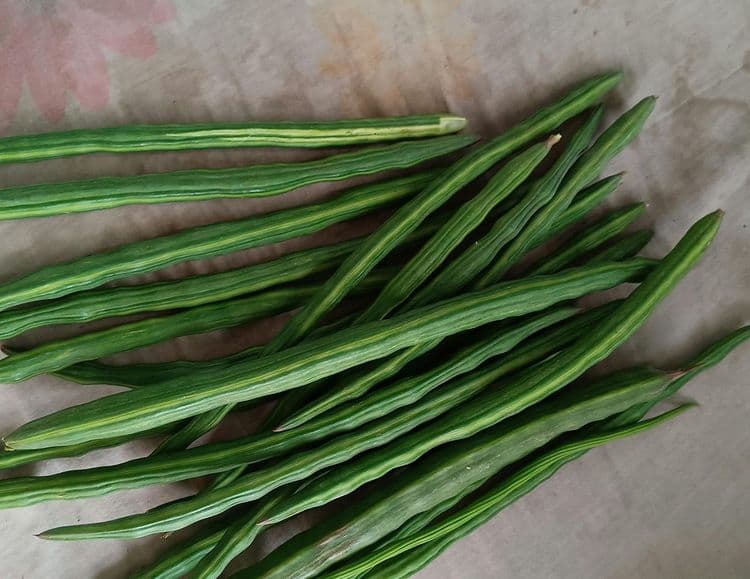
Moringa: Benefits, Uses, and Disadvantages of the Miracle Tree

Moringa offers powerful nutrition, health benefits, versatile uses, but also potential side effects.

Mar 14, 2026
Health


lemon kiwi orange

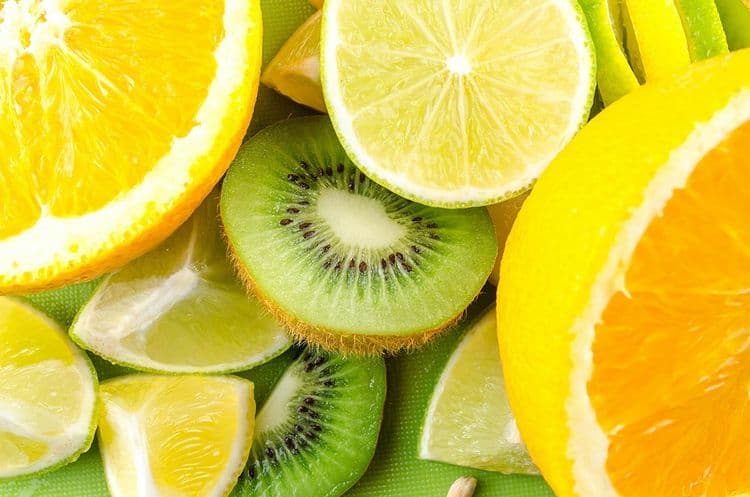
Why Vitamin C Is Important for Health and Natural Ways to Get It

Vitamin C supports immunity, skin health, and healing while preventing deficiency-related health issues.

Mar 08, 2026
Health
watermelons

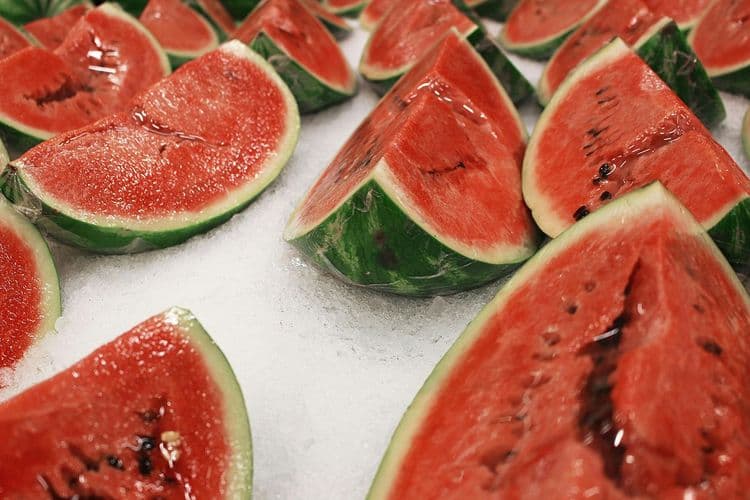
Best Fruits to Eat in Summer for Hydration and Better Health

Summer fruits provide hydration, essential vitamins, natural energy, and help keep the body cool.

Mar 05, 2026
Health
Lemon water

Summer Health Drinks to Keep Your Body Hydrated

Healthy summer drinks help maintain hydration, improve energy, cool the body, and prevent dehydration naturally.

Mar 04, 2026
Health

Recent Posts

all about moringa

Moringa: Benefits, Uses, and Disadvantages of the Miracle Tree

Moringa offers powerful nutrition, health benefits, versatile uses, but also potential side effects.

Mar 14, 2026
Health
cockroach

How to Get Rid of Cockroaches Using Simple and Effective Home Remedies

Simple natural remedies help eliminate cockroaches safely and keep homes clean and pest-free.

Mar 13, 2026
Utility
lemon kiwi orange

Why Vitamin C Is Important for Health and Natural Ways to Get It

Vitamin C supports immunity, skin health, and healing while preventing deficiency-related health issues.
Mar 08, 2026
Health