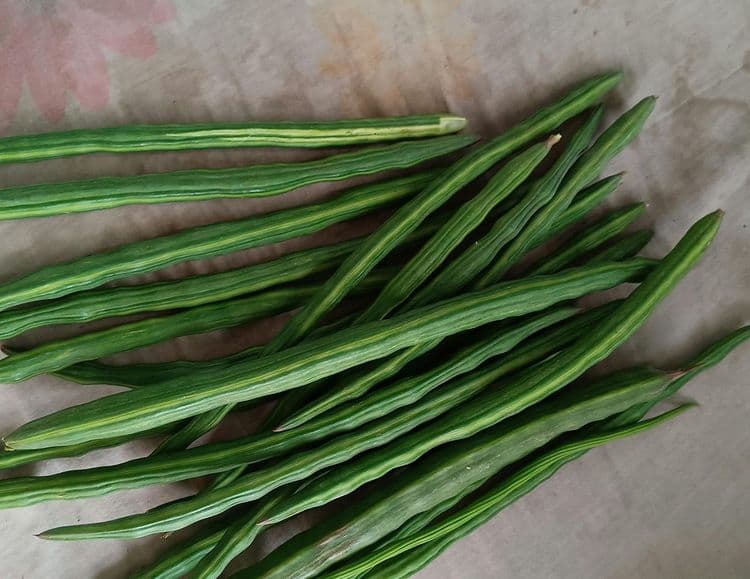
Moringa: Benefits, Uses, and Disadvantages of the Miracle Tree
Moringa offers powerful nutrition, health benefits, versatile uses, but also potential side effects.
Mar 14, 2026
Health

Vitamin C is one of the most essential nutrients the human body needs for good health. It plays a vital role in strengthening the immune system, protecting the body from infections, and maintaining healthy skin and tissues. Unlike some vitamins, the body cannot produce or store vitamin C on its own. This means it must be obtained regularly through diet or supplements.
A deficiency of vitamin C can lead to several health problems, including weakness, fatigue, and a weakened immune system. Fortunately, there are many natural foods and remedies that can help maintain adequate levels of this important vitamin.
In this article, we will explore the importance of vitamin C, its health benefits, signs of deficiency, and natural remedies to maintain optimal levels in the body.
Vitamin C, also known as ascorbic acid, is a water-soluble vitamin that plays several important roles in the body. It helps repair body tissues, supports the immune system, and acts as a powerful antioxidant.
Antioxidants protect cells from damage caused by harmful molecules called free radicals. These molecules can contribute to aging and various diseases if they accumulate in the body.
Vitamin C is also essential for producing collagen, a protein that supports skin, bones, blood vessels, and connective tissues.
Let food be thy medicine and medicine be thy food.
One of the most well-known benefits of vitamin C is its role in boosting immunity. It helps the body produce white blood cells that fight infections and harmful bacteria.
Regular intake of vitamin C may reduce the severity and duration of common illnesses like the Common cold.
Vitamin C plays an important role in collagen production, which keeps the skin firm and healthy. Adequate intake of vitamin C can help reduce wrinkles, improve skin texture, and support faster wound healing.
It also helps protect the skin from damage caused by sunlight and environmental pollution.
Iron is an essential mineral required for producing red blood cells. Vitamin C helps the body absorb iron more effectively, especially from plant-based foods.
This is particularly beneficial for people who follow vegetarian or vegan diets.
Vitamin C helps protect the body from oxidative stress caused by free radicals. This protection may reduce the risk of chronic diseases such as heart disease and certain types of cancer.
Antioxidants also help slow down the aging process and maintain overall health.
Some studies suggest that vitamin C may help reduce blood pressure and support heart health. By improving blood vessel function and reducing inflammation, vitamin C contributes to a healthier cardiovascular system.
When the body does not receive enough vitamin C, it may start showing certain symptoms.
Common signs of deficiency include:
In severe cases, long-term deficiency can lead to Scurvy, a condition that causes anemia, gum disease, and skin problems. Although scurvy is rare today, mild vitamin C deficiency can still occur due to poor diet.
Fortunately, there are many natural ways to increase vitamin C levels through diet and healthy habits.
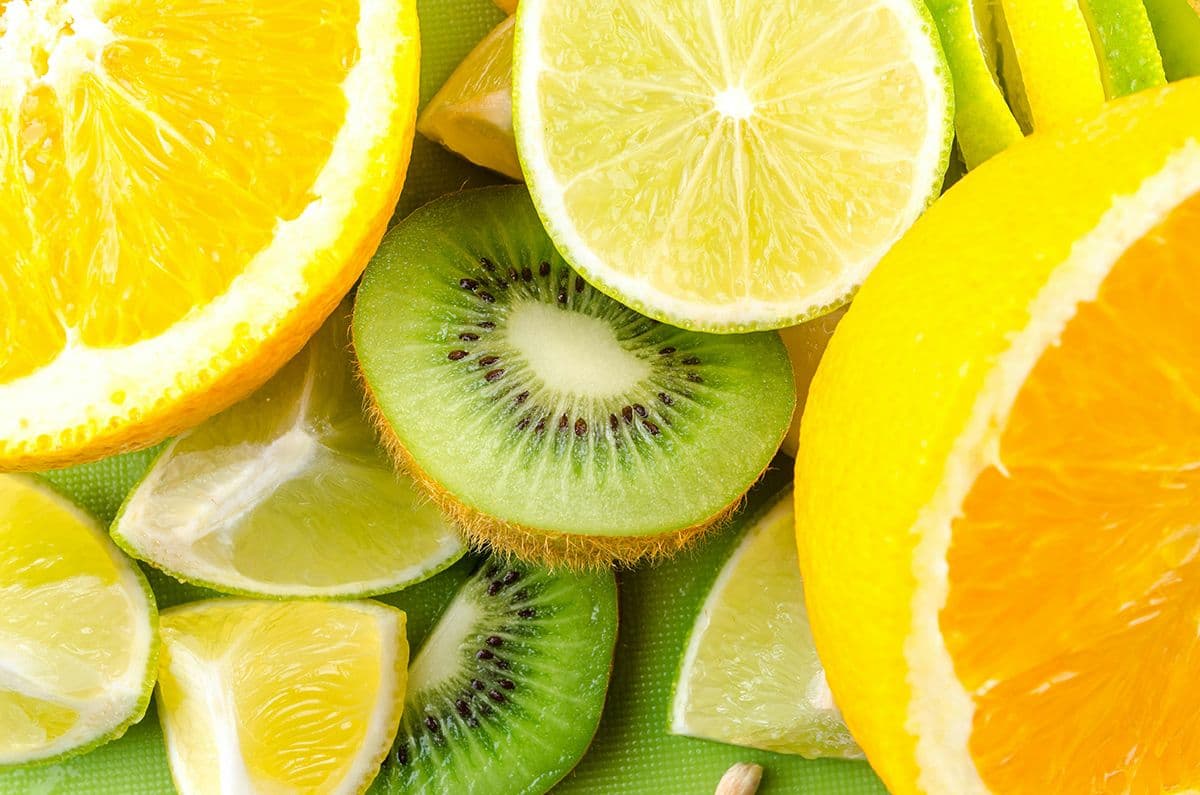
Citrus fruits are among the best sources of vitamin C. Fruits like Orange (fruit), Lemon, and Grapefruit provide a significant amount of vitamin C and help boost immunity.
Drinking fresh citrus juice or eating whole fruits regularly can help meet daily vitamin C requirements.
Many vegetables are also excellent sources of vitamin C. Foods such as Broccoli, Bell pepper, and Spinach contain high levels of this important vitamin.
Including a variety of vegetables in your meals helps maintain balanced nutrition.
Apart from citrus fruits, other fruits such as Strawberry, Kiwi (fruit), and Papaya are rich in vitamin C.
Adding these fruits to breakfast, smoothies, or snacks can significantly increase daily vitamin intake.
Vitamin C is sensitive to heat and can be destroyed during cooking. To preserve nutrients, try steaming or lightly cooking vegetables instead of boiling them for long periods.
Eating raw fruits and vegetables is one of the best ways to retain vitamin C.
In some cases, people may require vitamin C supplements if they cannot meet their nutritional needs through food. However, supplements should only be taken after consulting a healthcare professional.
A balanced diet remains the safest and most effective way to obtain essential nutrients.
The recommended daily intake of vitamin C varies depending on age and lifestyle. For most adults, the daily requirement is around 65–90 mg per day.
Smokers, pregnant women, and people under high stress may require slightly higher amounts.
Maintaining a balanced diet with fruits and vegetables usually provides enough vitamin C for most individuals.
Moringa offers powerful nutrition, health benefits, versatile uses, but also potential side effects.
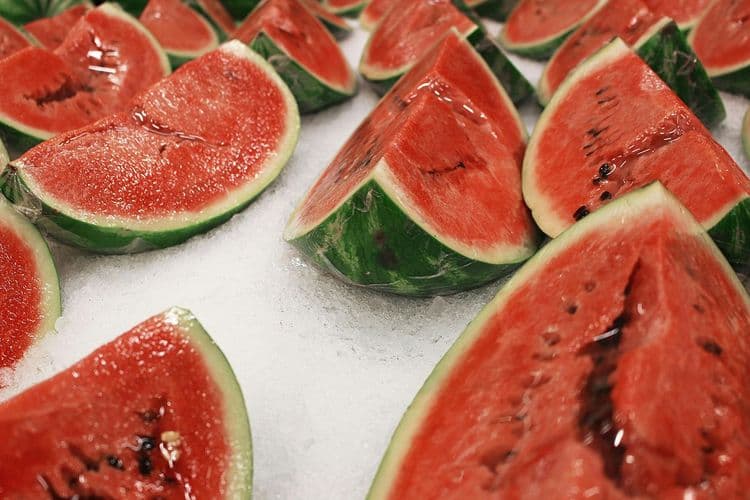
Summer fruits provide hydration, essential vitamins, natural energy, and help keep the body cool.

Healthy summer drinks help maintain hydration, improve energy, cool the body, and prevent dehydration naturally.
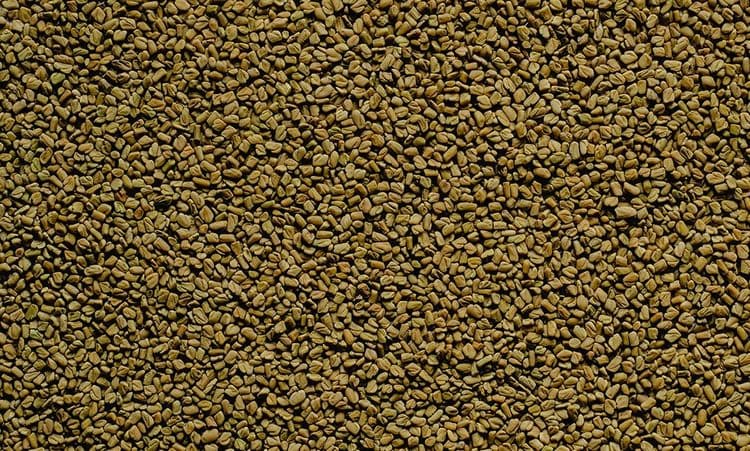
Fenugreek coffee is a caffeine-free herbal drink supporting digestion, blood sugar, and heart health.
Moringa offers powerful nutrition, health benefits, versatile uses, but also potential side effects.

Simple natural remedies help eliminate cockroaches safely and keep homes clean and pest-free.

Estimate retirement savings needed in India after 20 years considering inflation and lifestyle.