
Why Vitamin C Is Important for Health and Natural Ways to Get It
Vitamin C supports immunity, skin health, and healing while preventing deficiency-related health issues.
Mar 08, 2026
Health

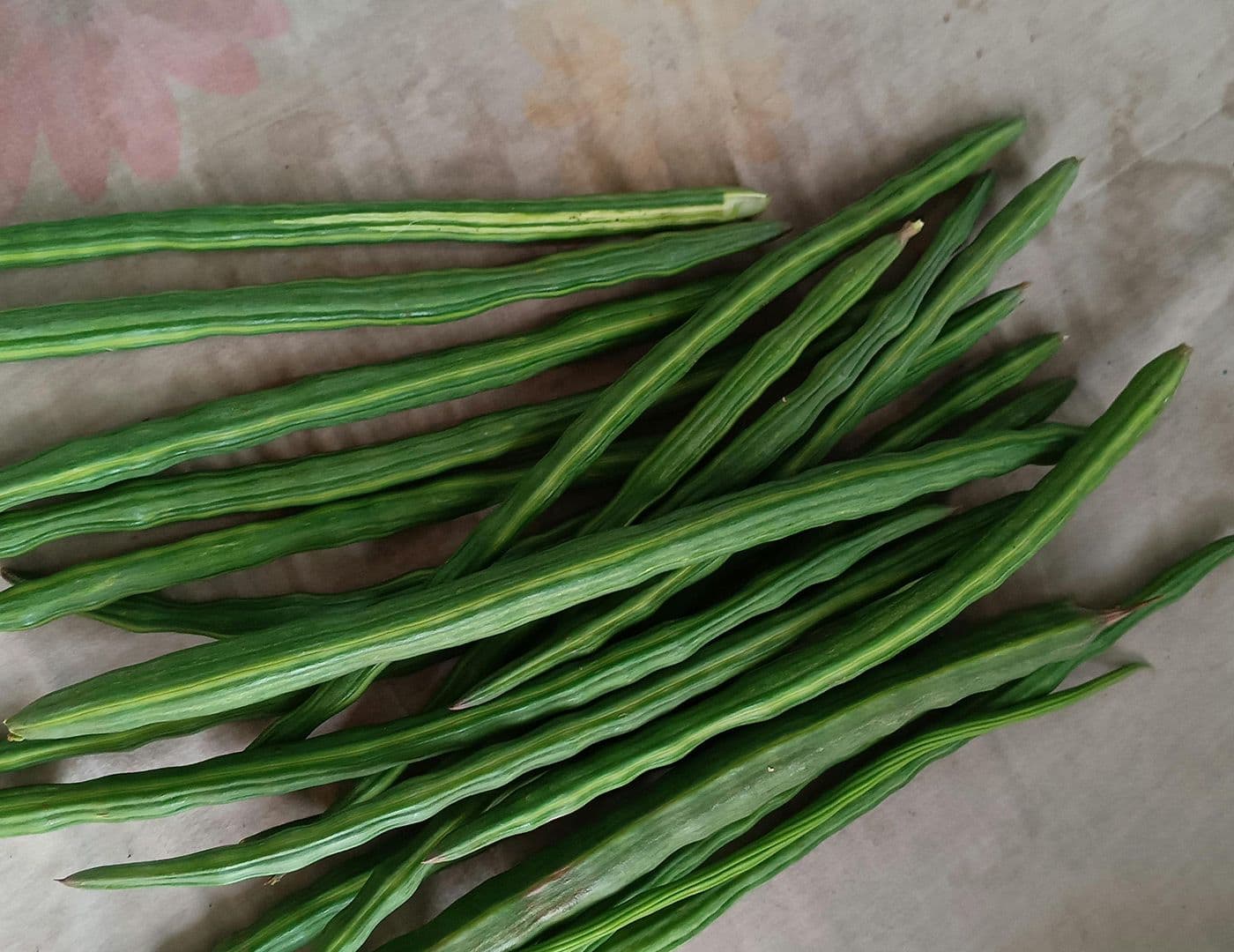
Moringa, often called the “miracle tree,” has been used for centuries in traditional medicine and nutrition. Native to parts of India, Africa, and Asia, the moringa plant is known for its highly nutritious leaves, seeds, pods, and roots. Because it grows quickly and contains a wide range of vitamins and minerals, moringa has become popular worldwide as a natural health supplement.
Today, moringa is commonly consumed as powder, capsules, tea, or fresh leaves. People use it to boost immunity, improve digestion, increase energy, and support overall health. However, like any natural supplement, moringa also has some disadvantages and should be used carefully.
In this article, we will explore the benefits, uses, and possible side effects of moringa.
One of the biggest reasons moringa is considered a superfood is its impressive nutritional profile. Moringa leaves are rich in essential nutrients, including:
Some studies suggest that moringa leaves contain more vitamin C than oranges, more calcium than milk, and more iron than spinach. Because of this, moringa is often recommended in regions where people suffer from nutrient deficiencies.
Nature itself is the best physician, and moringa is one of its greatest gifts.
Moringa contains powerful antioxidants such as quercetin, chlorogenic acid, and beta-carotene. These compounds help protect the body from damage caused by free radicals.
Antioxidants play an important role in reducing inflammation and lowering the risk of chronic diseases such as heart disease and diabetes.
Several studies suggest that moringa may help regulate blood sugar levels. Compounds in moringa leaves can improve insulin sensitivity and slow the absorption of sugar in the bloodstream.
For people with type 2 diabetes or those trying to control blood sugar levels, moringa may provide supportive benefits when used along with a healthy diet.
Heart disease remains one of the leading causes of death worldwide. Moringa may help reduce risk factors associated with heart problems.
Research indicates that moringa may help lower cholesterol levels and reduce inflammation, both of which are linked to heart disease.
Moringa is packed with vitamins and minerals that strengthen the immune system. Its high vitamin C content helps the body fight infections and supports immune defense.
Regular consumption of moringa may help protect the body from common illnesses such as colds, flu, and infections.
Moringa leaves contain fiber that helps improve digestion and supports gut health. It may help relieve digestive problems such as constipation, bloating, and indigestion.
The plant also contains natural antibacterial properties that may help fight harmful bacteria in the digestive system.
Moringa contains antioxidants and neuroprotective compounds that may support brain health. These compounds may help protect brain cells from oxidative stress.
Some research suggests moringa may improve memory, concentration, and mental clarity.
Moringa is a versatile plant and can be used in many ways.
One of the most popular forms is moringa powder. It is made by drying and grinding moringa leaves.
People add moringa powder to Smoothies, Juices, Soups, Salads, Yogurt
Just one teaspoon per day can provide a nutritional boost.
Moringa tea is another popular way to consume this plant. It is made from dried moringa leaves and has a mild earthy flavor.
Drinking moringa tea may help improve digestion, increase energy, and support overall health.
Many people prefer moringa capsules as a convenient supplement. Capsules provide a measured dose and are easy to take daily.
However, it is always important to follow recommended dosage instructions.
In many countries, fresh moringa leaves are used in cooking. They are commonly added to curries, soups, and vegetable dishes.
The leaves have a slightly spinach-like taste and are highly nutritious.
In every leaf of nature lies a cure waiting to be discovered.
Although moringa has many benefits, it also has some potential disadvantages.
Consuming large amounts of moringa may cause stomach upset, nausea, or diarrhea in some people.
It is best to start with a small dose and gradually increase intake.
Some parts of the moringa plant, especially the root and bark, may cause uterine contractions. Because of this, pregnant women should avoid moringa unless advised by a healthcare professional.
Moringa may interact with medications used for:
People taking medications should consult a doctor before using moringa supplements.
Low-quality moringa supplements may contain contaminants or heavy metals. It is important to buy products from trusted brands that follow quality standards.
While there is no universal dosage for moringa, most experts suggest: 1–2 teaspoons of moringa powder per day or 500–1000 mg capsules
Taking too much moringa is not recommended, as excessive intake may cause digestive discomfort.
Vitamin C supports immunity, skin health, and healing while preventing deficiency-related health issues.

Summer fruits provide hydration, essential vitamins, natural energy, and help keep the body cool.

Healthy summer drinks help maintain hydration, improve energy, cool the body, and prevent dehydration naturally.
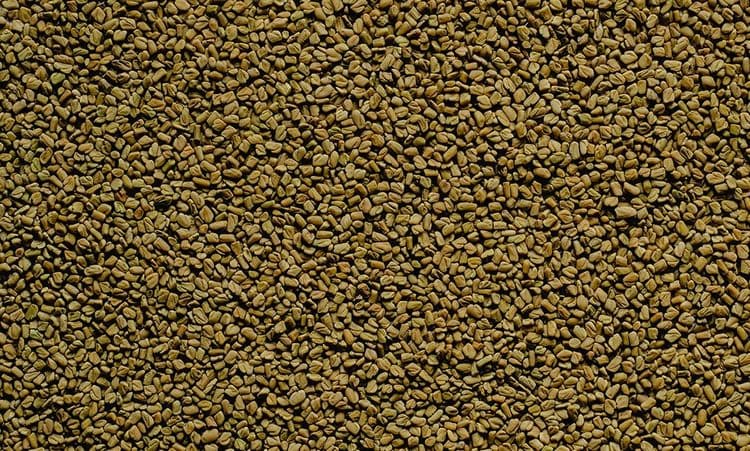
Fenugreek coffee is a caffeine-free herbal drink supporting digestion, blood sugar, and heart health.

Simple natural remedies help eliminate cockroaches safely and keep homes clean and pest-free.
Vitamin C supports immunity, skin health, and healing while preventing deficiency-related health issues.

Estimate retirement savings needed in India after 20 years considering inflation and lifestyle.