
How to Get Rid of Cockroaches Using Simple and Effective Home Remedies
Simple natural remedies help eliminate cockroaches safely and keep homes clean and pest-free.
Mar 13, 2026
Utility

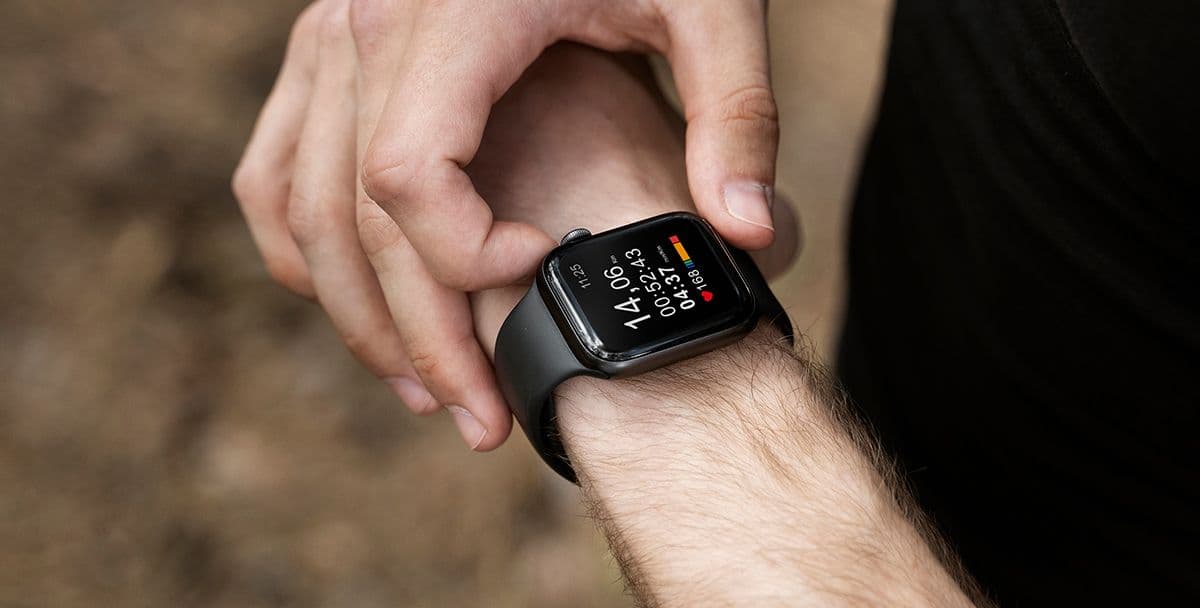
One of the most compelling features of smartwatches is their ability to track your health and fitness. Most models come equipped with heart rate monitors, step counters, sleep tracking, and even blood oxygen level sensors. This helps users maintain a healthier lifestyle by keeping tabs on daily activities and setting wellness goals.
Smartwatches offer quick access to notifications, calls, and messages without needing to reach for your phone. Whether you're in a meeting, on a run, or commuting, you can glance at your wrist for updates, making life more convenient and efficient.
Built-in GPS helps with navigation during travel, cycling, or running. You can track your route, measure distance, and even find your way without constantly looking at your phone.
Smartwatches let you control music playback, stream songs, or even view photos and videos (in advanced models). Some models also support wireless earbuds for a complete mobile entertainment setup.
Many modern smartwatches come with fall detection, SOS alerts, and emergency contact features. These can be life-saving, especially for seniors or people with medical conditions.
From customizable watch faces to a variety of straps and colors, smartwatches can match your personality and outfit. They blend functionality with fashion.
Weigh the value before the wrist wears the price.
Battery life is a common concern, especially in feature-rich models. While some basic models last several days, advanced smartwatches often need charging every day or two.
The small display can limit the amount of information shown and make it difficult to type or read for some users. It's not ideal for heavy texting or app browsing.
Good quality smartwatches, especially those with health sensors and advanced features, can be expensive. You may end up paying a lot for something that still needs to pair with a smartphone.
Most smartwatches need to be connected to a smartphone for full functionality. Without the phone nearby, some features like calls or internet-based services may not work.
Smartwatches collect a lot of personal data. If not secured properly, this information could be at risk of hacking or data leaks.
Smartwatches are a powerful extension of your smartphone, offering unmatched convenience and a range of health and lifestyle benefits. However, they also come with limitations such as battery life and privacy risks. By weighing the pros and cons, you can decide whether a smartwatch is the right fit for your lifestyle.
Simple natural remedies help eliminate cockroaches safely and keep homes clean and pest-free.
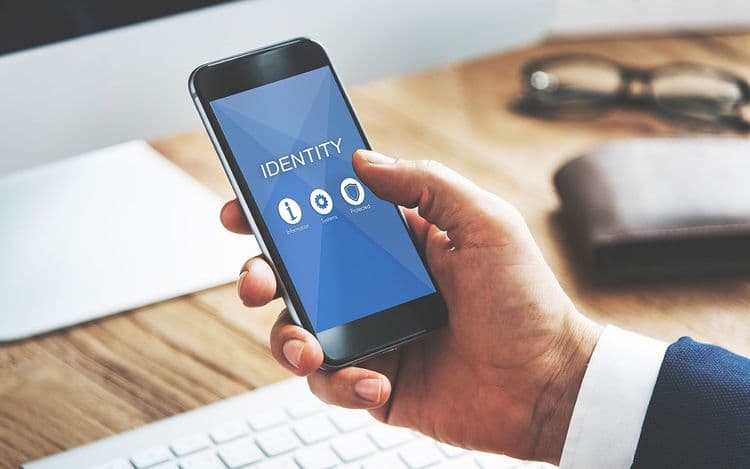
Essential smartphone safety tips to protect your data, privacy, and digital identity.
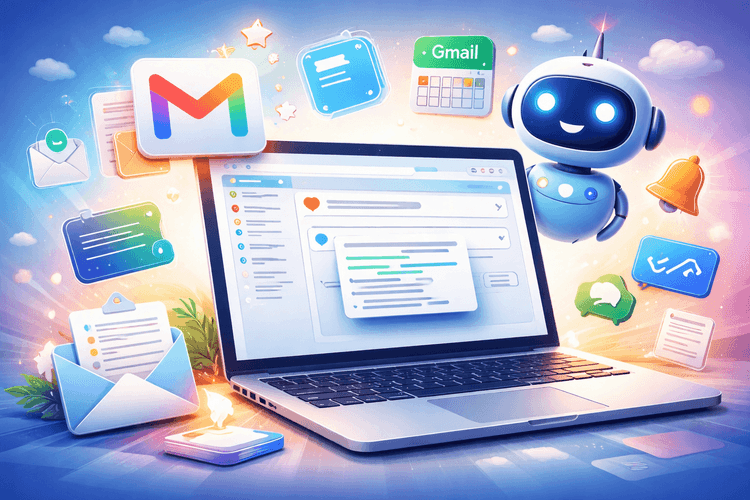
Gmail uses AI to act as a smart assistant, improving productivity, writing, organization, and daily workflow efficiency.
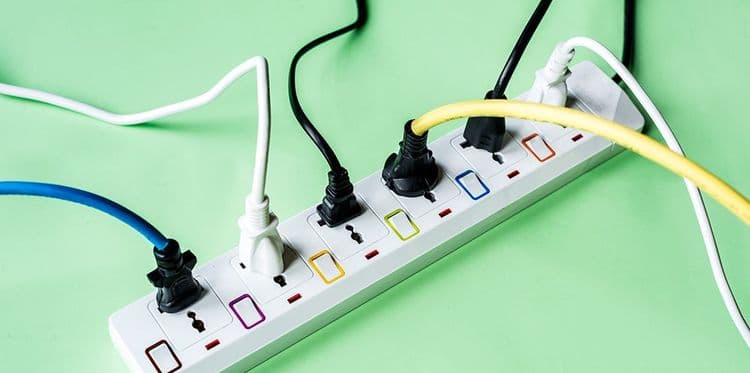
Protect electronics from power surges with safe, reliable surge protectors

Moringa offers powerful nutrition, health benefits, versatile uses, but also potential side effects.
Simple natural remedies help eliminate cockroaches safely and keep homes clean and pest-free.

Vitamin C supports immunity, skin health, and healing while preventing deficiency-related health issues.