
How to Get Rid of Cockroaches Using Simple and Effective Home Remedies
Simple natural remedies help eliminate cockroaches safely and keep homes clean and pest-free.
Mar 13, 2026
Utility

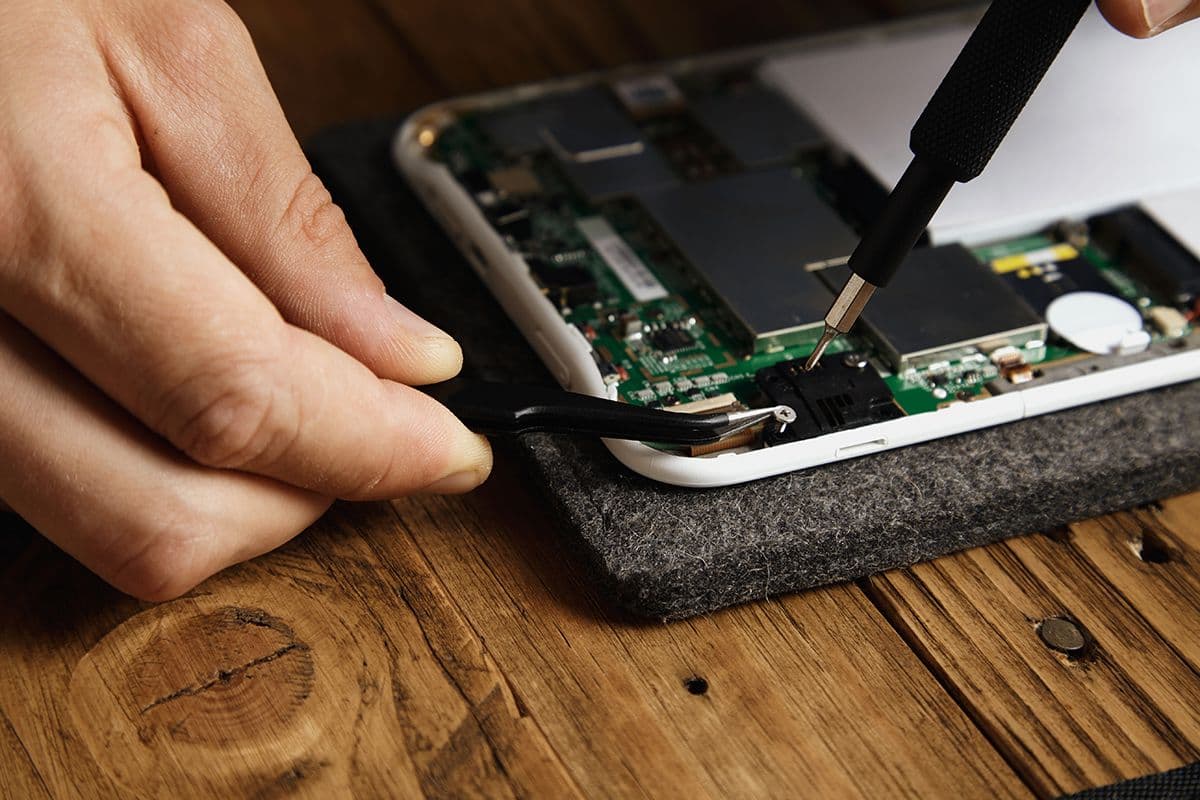
In today's fast-paced world of smartphone innovation, keeping up with the latest devices can get expensive. That’s where refurbished mobile phones come in — offering consumers a cost-effective and eco-friendly alternative to brand-new devices. But are refurbished phones worth it? This article explores everything you need to know about refurbished mobiles, including their advantages, disadvantages, and what to consider before buying one.
A refurbished phone is a pre-owned device that has been returned to the manufacturer or seller due to various reasons like minor defects, buyer's remorse, or trade-ins. These phones undergo inspection, repair (if needed), testing, and cleaning before being resold, often at a lower price.
Smart buyers look beyond the shine.
They are not the same as used or second-hand phones, which are typically sold as-is without guarantees or checks.
The biggest advantage is affordability. Refurbished phones are usually 20-50% cheaper than their brand-new counterparts. This is ideal for budget-conscious buyers who want premium models at lower prices.
Buying refurbished helps reduce e-waste. It extends the life of electronic products and minimizes the need for new raw materials. It's a more sustainable and environmentally responsible option.
Unlike second-hand phones, refurbished models go through quality checks and often come with warranties. Manufacturers or certified sellers test components like the battery, camera, screen, and software performance.
Most reputable sellers offer a limited warranty (3 to 12 months) and return policies, giving you peace of mind in case issues arise.
You can afford flagship models (like iPhones or Samsung Galaxy S series) at a fraction of their original price. A refurbished iPhone 13, for example, could cost as much as a brand-new mid-range phone.
Since these phones have already been used, their overall life expectancy is lower than brand-new devices. You may face battery degradation or slower performance earlier than expected.
Refurbished models are usually older generations. That means missing out on newer features like improved cameras, processors, or 5G support. Software updates may also be limited.
Even if tested, most refurbished phones do not come with a new battery. Battery performance can be significantly less than 100%, which may affect daily use.
Not all sellers follow the same refurbishment standards. Some may sell phones with minor cosmetic damage or overlook internal issues. Buying from unknown sellers can be risky.
Refurbished phones typically come with a shorter warranty, and customer service may not be as strong as with new purchases.
These sources typically offer thorough testing, a valid warranty, and reliable support, which makes the buying process safer and more convenient.
Refurbished mobile phones are a smart, economical, and eco-conscious option for many users. However, they come with a few trade-offs, especially in terms of longevity and the latest features.
If you do your homework and buy from trusted sellers, you can enjoy the benefits of top-tier smartphones without burning a hole in your wallet. Just make sure to weigh the pros and cons based on your needs and usage.
Simple natural remedies help eliminate cockroaches safely and keep homes clean and pest-free.
Essential smartphone safety tips to protect your data, privacy, and digital identity.
Gmail uses AI to act as a smart assistant, improving productivity, writing, organization, and daily workflow efficiency.
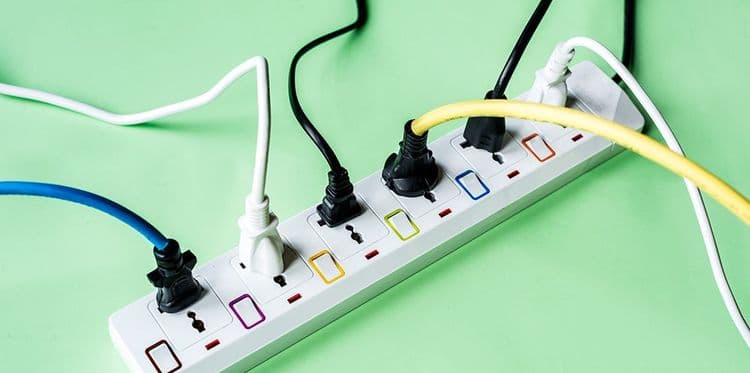
Protect electronics from power surges with safe, reliable surge protectors

Moringa offers powerful nutrition, health benefits, versatile uses, but also potential side effects.
Simple natural remedies help eliminate cockroaches safely and keep homes clean and pest-free.

Vitamin C supports immunity, skin health, and healing while preventing deficiency-related health issues.