
Earbuds Pros and Cons: Are Wireless Earbuds Worth
Earbuds offer portability and convenience but also have drawbacks like battery limits and potential hearing issues.
Mar 03, 2026
Lifestyle

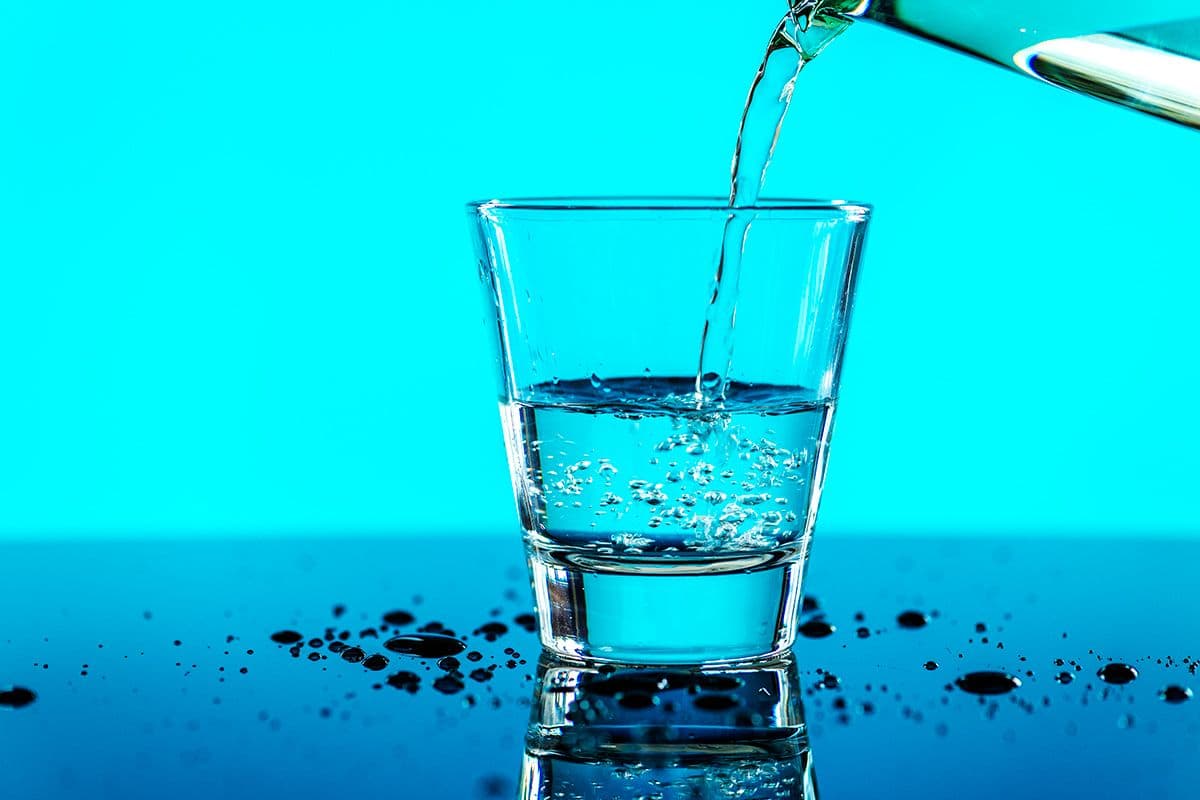
Access to clean and safe drinking water is essential for a healthy life. Reverse Osmosis (RO) water purifiers have become increasingly popular in homes and offices due to rising concerns about water contamination. While RO filters offer several benefits, they also have certain side effects that are often overlooked. Understanding both the advantages and potential downsides of RO filtration can help you make a well-informed decision.
RO (Reverse Osmosis) is a water purification process that uses a semipermeable membrane to remove dissolved salts, chemicals, heavy metals, and other impurities from water. The result is clean, odorless, and better-tasting drinking water. Key Benefits of RO Filters
RO filters effectively remove harmful substances like arsenic, lead, fluoride, chlorine, nitrates, and heavy metals that are often found in tap or borewell water.
By removing chemicals and impurities, RO water tastes better and smells fresh, making it more palatable, especially for children and elderly people.
RO purification ensures water is free from disease-causing bacteria, viruses, and parasites, significantly reducing the risk of waterborne illnesses.
Using RO water in cooking preserves the original flavor of food. It also helps prevent scale buildup in appliances like kettles and coffee machines.
High TDS levels can be harmful to health. RO filters reduce TDS to safe levels, ensuring better hydration and mineral balance. Common Side Effects of RO Water
Pure water is life’s first medicine.
RO filtration not only removes harmful substances but also strips away essential minerals like calcium, magnesium, and potassium. This can lead to mineral deficiencies over time.
The process of RO purification wastes a significant amount of water-typically 2-3 liters for every 1 liter of purified water. This makes it less eco-friendly, especially in water-scarce areas.
RO water can have a lower pH, making it slightly acidic, which may not be ideal for long-term consumption without balancing minerals. Remedies and Solutions
Install a TDS controller or post-mineralizer cartridge that adds essential minerals back into the purified water. This helps restore natural taste and nutritional value.
Use RO water only for drinking and cooking purposes. Use regular tap water for cleaning, gardening, or washing utensils to reduce wastage.
Always store RO water in clean, covered containers made of food-grade materials to prevent secondary contamination.
Clean and replace RO filter cartridges as per the manufacturer's schedule to ensure efficiency and hygiene. RO filters are a valuable investment for health-conscious households, especially in areas with high TDS or chemical contamination. However, it's essential to be aware of the downsides and take corrective steps. With proper use and simple remedies, you can enjoy the full benefits of RO-filtered water without compromising your health or the environment.
Earbuds offer portability and convenience but also have drawbacks like battery limits and potential hearing issues.
Kitchen chimneys improve air quality, hygiene, comfort, and modern kitchen living.

Jojoba oil nourishes scalp, strengthens roots, boosts shine, and prevents hair damage.

Ozempic guide for diabetes control, weight loss, dosage, and side effects.

Moringa offers powerful nutrition, health benefits, versatile uses, but also potential side effects.

Simple natural remedies help eliminate cockroaches safely and keep homes clean and pest-free.

Vitamin C supports immunity, skin health, and healing while preventing deficiency-related health issues.