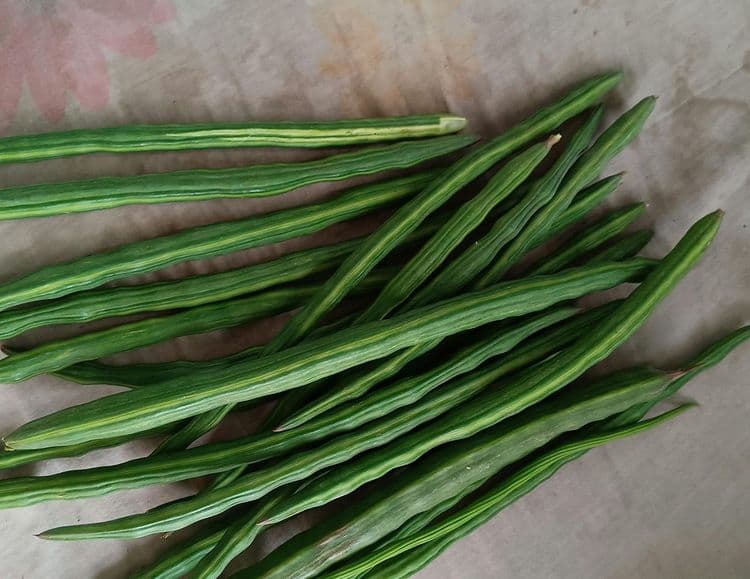
Moringa: Benefits, Uses, and Disadvantages of the Miracle Tree
Moringa offers powerful nutrition, health benefits, versatile uses, but also potential side effects.
Mar 14, 2026
Health

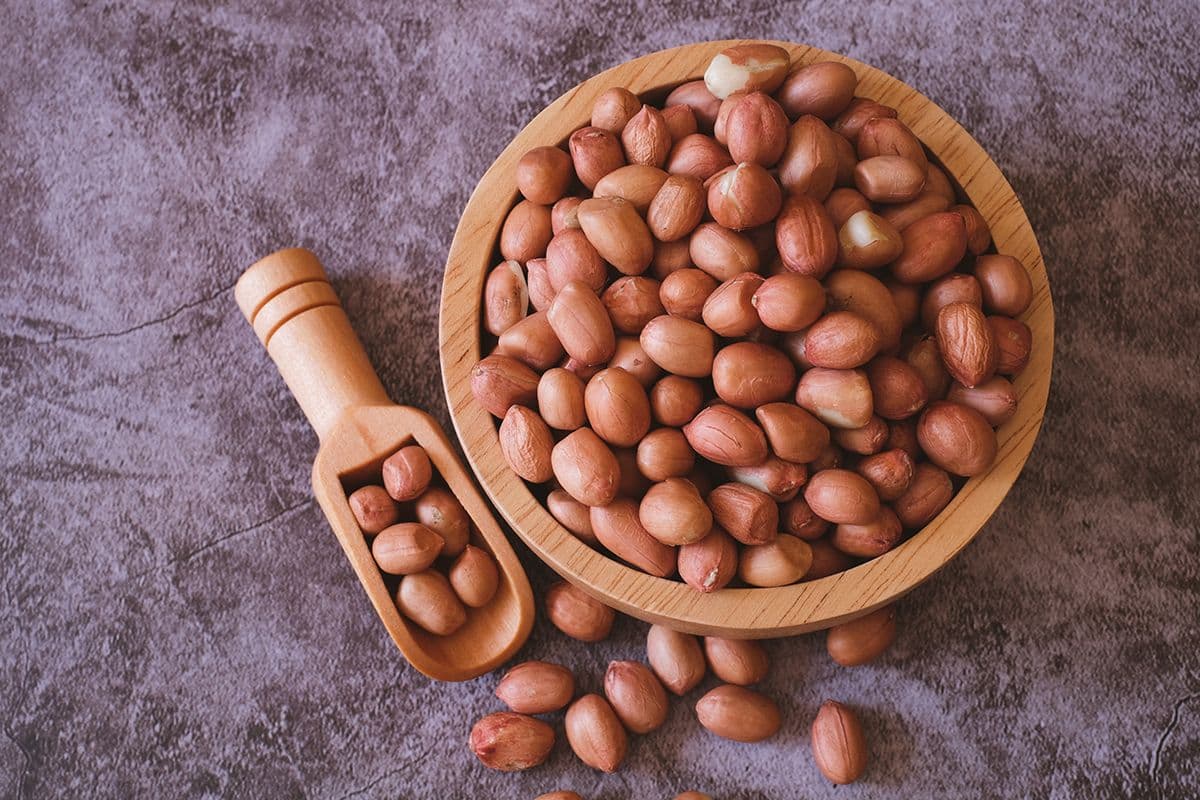
Peanuts, also known as groundnuts, are among the most popular and versatile legumes in the world. While commonly referred to as "nuts," peanuts actually belong to the legume family, which also includes beans and lentils. Rich in protein, healthy fats, and a range of essential nutrients, peanuts are a staple in many diets, especially in Asian and Western cuisines. But while peanuts offer many health benefits, they may not be suitable for everyone. Let’s explore the nutritional value, benefits, and potential risks of peanuts.
Nutritional Value of Peanuts (Per 100g Raw)
Peanuts are nutrient-dense, meaning they offer a lot of nutrition in a small amount.
Calories: ~567 kcal Protein: 25.8 g Fat: 49.2 g
Carbohydrates: 16.1 g
Vitamins:
Minerals:
A handful of peanuts a day keeps weakness away.
Peanuts are an excellent protein source, especially for vegetarians and vegans. Protein helps in building muscles, repairing tissues, and supporting enzyme production.
Peanuts are loaded with monounsaturated and polyunsaturated fats, which are considered heart-healthy fats. They help lower bad cholesterol (LDL) and increase good cholesterol (HDL), reducing the risk of heart disease.
Despite being high in fat, peanuts can actually help with weight control. Their combination of protein, fiber, and healthy fats promotes satiety and prevents overeating.
Peanuts contain antioxidants such as resveratrol, which is also found in red wine. These compounds help neutralize harmful free radicals, reducing inflammation and slowing aging.
The niacin and vitamin E found in peanuts support cognitive function and may protect against age-related cognitive decline and Alzheimer's disease.
Peanuts have a low glycemic index and are high in fiber and healthy fats, making them a good snack option for people with type 2 diabetes when consumed in moderation.
Peanut allergy is one of the most common and potentially severe food allergies. Even small traces of peanuts can cause anaphylactic shock in sensitive individuals. Those with peanut allergies must completely avoid all forms of peanuts and products containing peanuts.
Although peanuts can be part of a healthy weight loss plan, they are calorie-dense. Overeating peanuts may result in weight gain if not portion-controlled.
Peanuts contain oxalates, which can contribute to the formation of kidney stones in susceptible individuals. Those prone to kidney stones should consult their doctor before consuming large quantities.
Peanuts can sometimes be contaminated with aflatoxins, a type of mold that is toxic and potentially carcinogenic. Buying from trusted sources and proper storage can help minimize this risk.
Add to salads for a crunchy texture.
Use peanut butter as a spread or smoothie ingredient.
Mix into yogurt or oatmeal.
Use crushed peanuts as a topping for desserts or Asian dishes.
Enjoy roasted peanuts as a healthy snack between meals.
Peanuts are a delicious, affordable, and nutrient-packed food that offers numerous health benefits when consumed mindfully. From boosting heart and brain health to helping manage blood sugar and weight, peanuts deserve a place in your balanced diet. However, individuals with allergies or certain health conditions should exercise caution and seek medical advice. Moderation and quality are key to reaping the full benefits of this powerful legume.
Moringa offers powerful nutrition, health benefits, versatile uses, but also potential side effects.
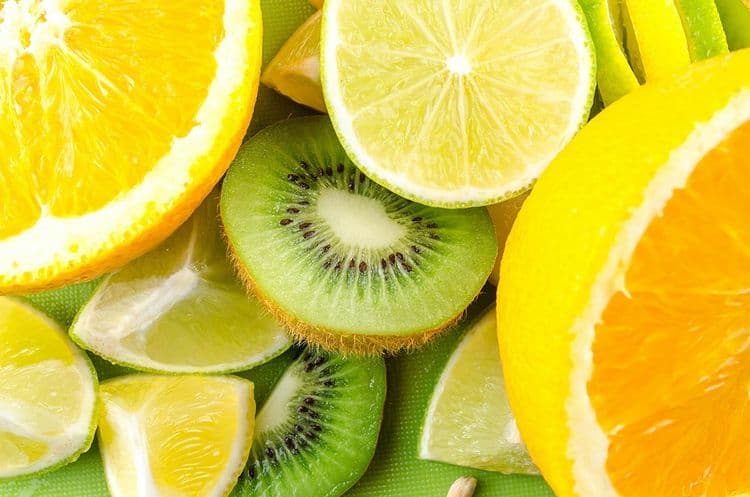
Vitamin C supports immunity, skin health, and healing while preventing deficiency-related health issues.

Summer fruits provide hydration, essential vitamins, natural energy, and help keep the body cool.

Healthy summer drinks help maintain hydration, improve energy, cool the body, and prevent dehydration naturally.
Moringa offers powerful nutrition, health benefits, versatile uses, but also potential side effects.
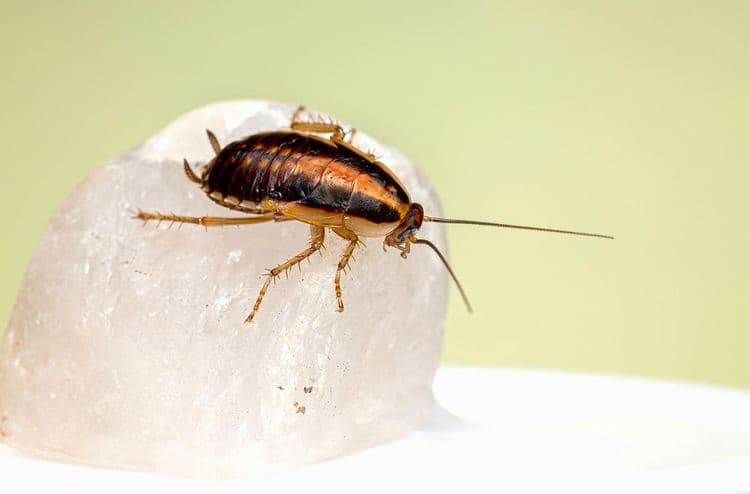
Simple natural remedies help eliminate cockroaches safely and keep homes clean and pest-free.
Vitamin C supports immunity, skin health, and healing while preventing deficiency-related health issues.