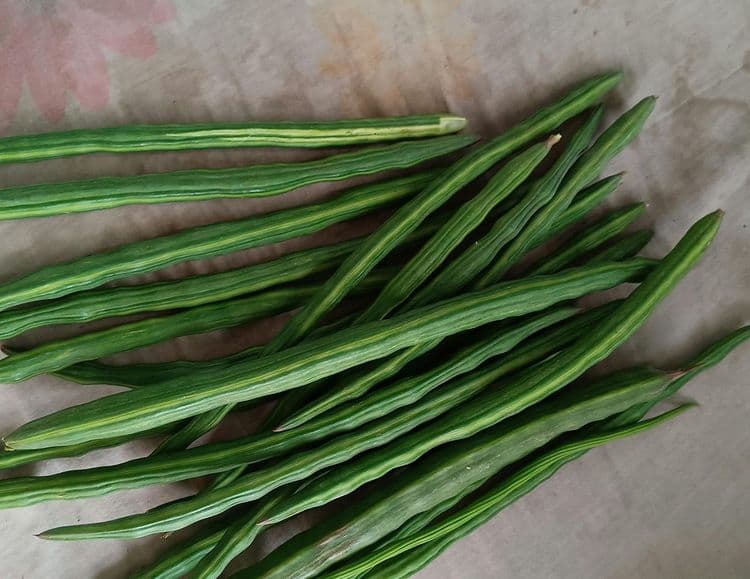
Moringa: Benefits, Uses, and Disadvantages of the Miracle Tree
Moringa offers powerful nutrition, health benefits, versatile uses, but also potential side effects.
Mar 14, 2026
Health


Fiber is an essential component of a healthy diet, yet it is often overlooked. Found mainly in plant-based foods, dietary fiber plays a vital role in maintaining a healthy digestive system, controlling blood sugar levels, lowering cholesterol, and even aiding weight loss. Despite its importance, most people don't consume enough fiber in their daily diet.
So, what exactly is fiber, and which foods are rich in it? Let's explore.
Dietary fiber refers to the parts of plant-based foods that your body can't digest or absorb. Unlike other food components like fats, proteins, or carbohydrates, fiber isn't broken down and absorbed by the body. Instead, it passes relatively intact through the stomach, small intestine, and colon, aiding digestion and promoting regular bowel movements.
Whole wheat, oats, brown rice, quinoa, barley, and millet are excellent sources of fiber. Choose whole-grain bread and cereals over refined versions for better benefits.
Lentils, chickpeas, black beans, kidney beans, and peas are not only high in fiber but also rich in plant-based protein.
Fruits like apples, pears (with skin), bananas, berries, and oranges are great sources of both soluble and insoluble fiber.
Broccoli, carrots, spinach, kale, sweet potatoes, and cauliflower offer a generous amount of fiber along with vitamins and minerals.
Chia seeds, flaxseeds, almonds, and sunflower seeds are high in fiber and healthy fats. Just a handful a day can make a difference.
Some cereals, breads, and snack bars are fortified with added fiber. Check nutrition labels to find good options.
Improves Digestion: Prevents constipation and promotes a healthy gut microbiome. Controls Blood Sugar: Slows the absorption of sugar, which helps in managing blood sugar levels. Lowers Cholesterol: Soluble fiber helps reduce bad cholesterol (LDL) levels. Supports Weight Loss: Fiber-rich foods are more filling and reduce overall calorie intake. Reduces Disease Risk: A fiber-rich diet is linked to a lower risk of heart disease, diabetes, stroke, and some cancers.
Men: About 30-38 grams/day Women: About 21-25 grams/day
Good food is the foundation of good health.
However, the average intake for most people is far below this recommended amount. Slowly increasing fiber intake and drinking plenty of water can help avoid bloating or gas.
Incorporating more fiber-rich foods into your daily meals doesn't require a drastic diet change. Simple swaps-like choosing whole grains over refined ones or adding an extra serving of vegetables-can go a long way in improving your overall health. With benefits ranging from better digestion to disease prevention, fiber is truly a silent hero in our diets.
Moringa offers powerful nutrition, health benefits, versatile uses, but also potential side effects.
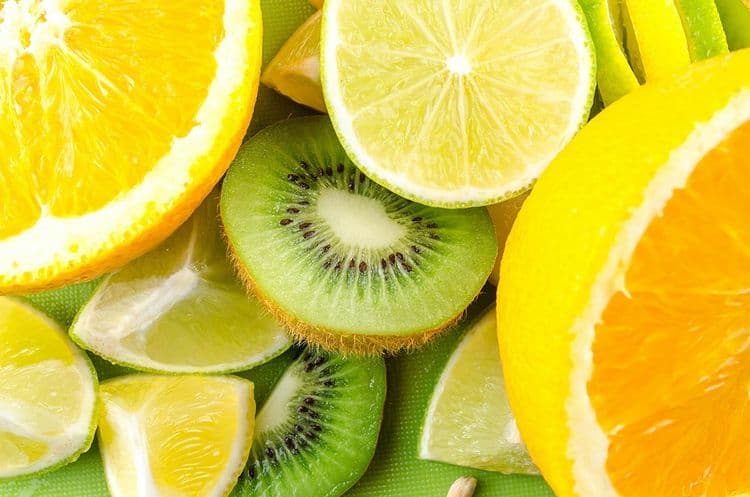
Vitamin C supports immunity, skin health, and healing while preventing deficiency-related health issues.

Summer fruits provide hydration, essential vitamins, natural energy, and help keep the body cool.

Healthy summer drinks help maintain hydration, improve energy, cool the body, and prevent dehydration naturally.
Moringa offers powerful nutrition, health benefits, versatile uses, but also potential side effects.

Simple natural remedies help eliminate cockroaches safely and keep homes clean and pest-free.
Vitamin C supports immunity, skin health, and healing while preventing deficiency-related health issues.