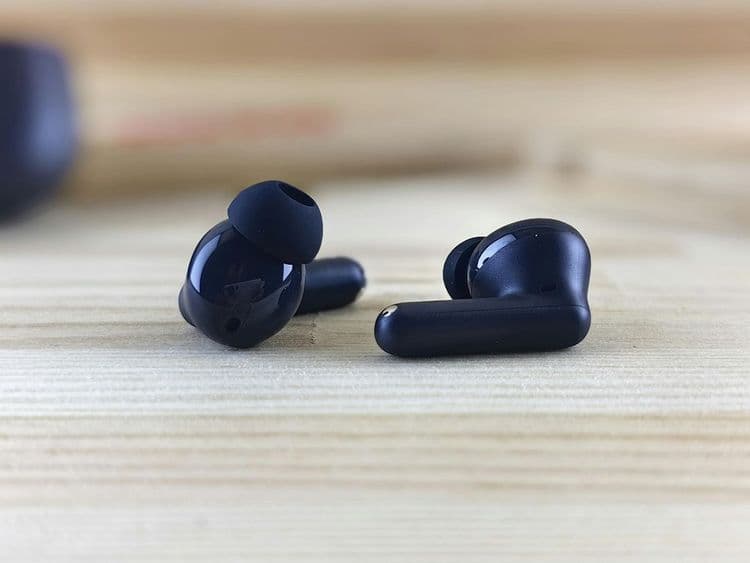
Earbuds Pros and Cons: Are Wireless Earbuds Worth
Earbuds offer portability and convenience but also have drawbacks like battery limits and potential hearing issues.
Mar 03, 2026
Lifestyle

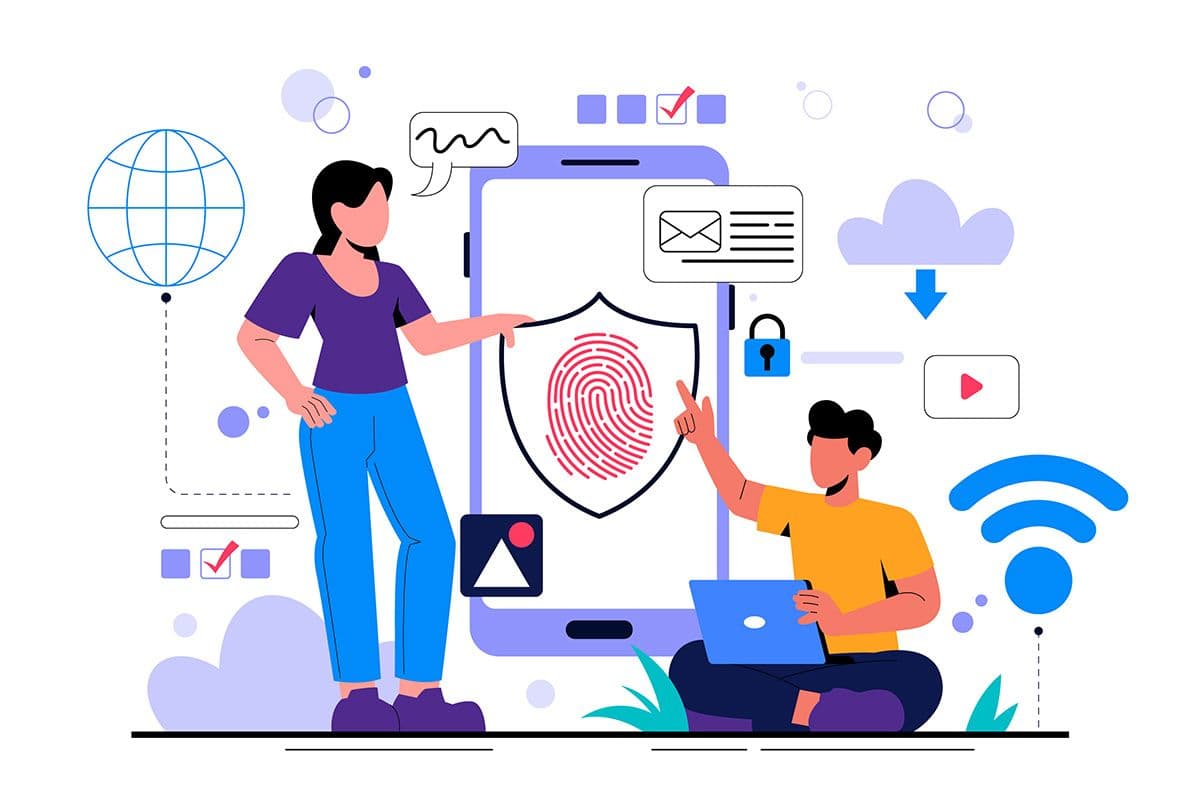
In today's fast-paced world, staying safe is not just about being cautious-it's about being smart. Whether you're at home, on the road, online, or at work, taking proactive and intelligent steps can protect you from unexpected dangers. The question is, do you act smart for safety?
If you use gas cylinders, always double-check connections. Regularly check wiring to avoid fire hazards. A small act of caution can save lives.
Awareness today prevents regret tomorrow.
Even when walking, use pedestrian crossings, and stay alert to traffic. Your attentiveness could save your life and others'.
Safety is not fear, it’s wisdom.
Employers must also ensure safety drills are conducted and first aid kits are available.
Smart choices save lives.
Preparedness is a key sign of smartness. Keep a basic emergency kit ready at home and in your vehicle. Know evacuation plans, emergency contacts, and how to react during natural disasters like floods or earthquakes.
Being smart for safety means using your common sense, being alert, and taking preventive action. It's not about fear, but about readiness and awareness. Start today-check your surroundings, update your passwords, wear your helmet, and most importantly, think before you act. Safety begins with you.
Earbuds offer portability and convenience but also have drawbacks like battery limits and potential hearing issues.

Kitchen chimneys improve air quality, hygiene, comfort, and modern kitchen living.
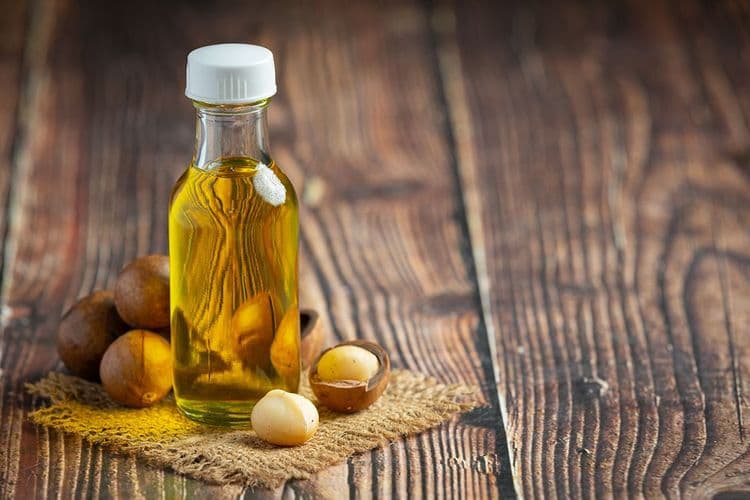
Jojoba oil nourishes scalp, strengthens roots, boosts shine, and prevents hair damage.

Ozempic guide for diabetes control, weight loss, dosage, and side effects.

Moringa offers powerful nutrition, health benefits, versatile uses, but also potential side effects.

Simple natural remedies help eliminate cockroaches safely and keep homes clean and pest-free.

Vitamin C supports immunity, skin health, and healing while preventing deficiency-related health issues.