
Earbuds Pros and Cons: Are Wireless Earbuds Worth
Earbuds offer portability and convenience but also have drawbacks like battery limits and potential hearing issues.
Mar 03, 2026
Lifestyle


Acidity or acid reflux is a common digestive issue that affects millions of people worldwide. It occurs when stomach acid flows back into the esophagus, causing a burning sensation, bloating, and discomfort. While occasional acidity is manageable, frequent episodes can affect your daily life and lead to chronic conditions like GERD (Gastroesophageal Reflux Disease).
The good news is that you can regulate acidity naturally by incorporating certain foods into your daily diet. These acidity-regulating foods not only soothe your stomach but also improve overall digestive health. What Causes Acidity?
Balance your diet, balance your life.
Bananas are low in acid and high in potassium, making them an ideal snack for those suffering from acid reflux. They help coat the stomach lining and neutralize excess acid.
Oatmeal is a high-fiber, filling food that absorbs stomach acid and reduces symptoms of reflux. It's also gentle on the digestive tract.
Ginger has natural anti-inflammatory and digestive properties. Consuming ginger tea or adding fresh ginger to meals can help reduce acid reflux symptoms.
Rich in probiotics, yogurt helps balance gut bacteria and soothes an irritated stomach lining. Choose unsweetened, low-fat yogurt for best results.
Spinach, kale, and lettuce are low-acid, high-fiber vegetables that help regulate acid production and improve digestion.
Aloe vera juice is known for its cooling and healing effects. It can calm the digestive system and reduce irritation caused by acid reflux.
Coconut water contains natural electrolytes that hydrate and soothe the digestive tract. It helps maintain a healthy pH balance in the stomach.
Watermelon, cantaloupe, and honeydew are low-acid fruits that are easy on the stomach and help keep acid levels in check.
Chewing fennel seeds after meals aids digestion and helps relieve acidity and bloating. They also have a mild antacid effect.
A glass of cold, low-fat milk can instantly neutralize stomach acid and provide quick relief from heartburn.
To manage acidity, it's equally important to avoid trigger foods like:
Acidity can often be managed effectively with dietary changes and a healthy lifestyle. Including acidity-regulating foods in your meals can provide natural relief without relying heavily on medication. Combine this approach with regular exercise, stress management, and proper meal timing for long-term digestive wellness.
Earbuds offer portability and convenience but also have drawbacks like battery limits and potential hearing issues.

Kitchen chimneys improve air quality, hygiene, comfort, and modern kitchen living.
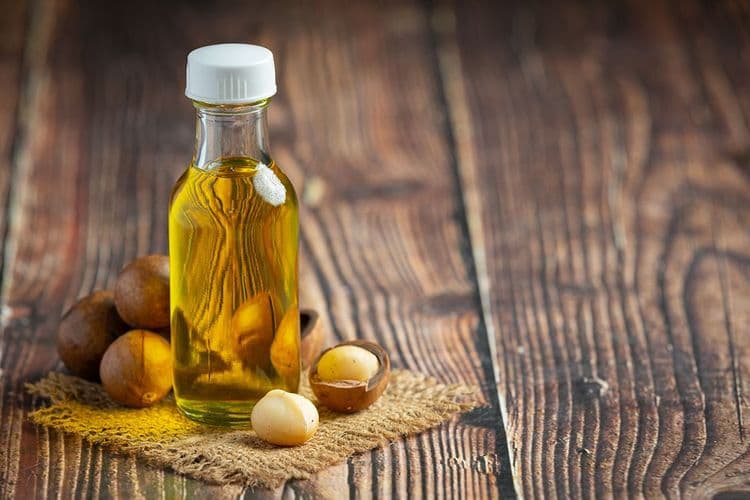
Jojoba oil nourishes scalp, strengthens roots, boosts shine, and prevents hair damage.

Ozempic guide for diabetes control, weight loss, dosage, and side effects.

Moringa offers powerful nutrition, health benefits, versatile uses, but also potential side effects.

Simple natural remedies help eliminate cockroaches safely and keep homes clean and pest-free.
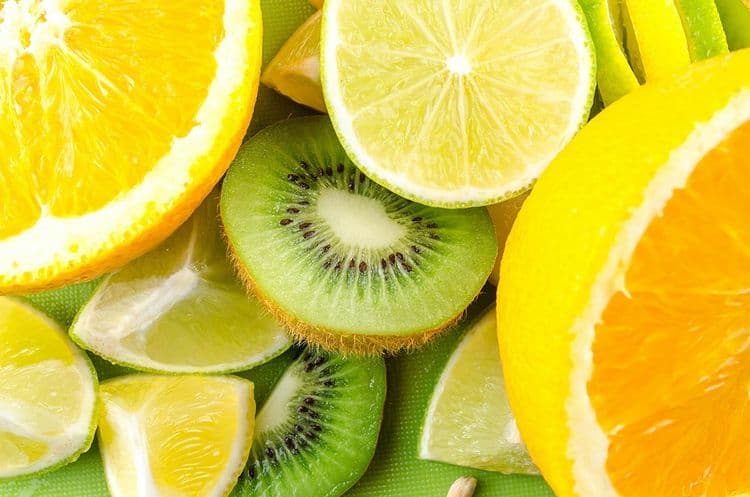
Vitamin C supports immunity, skin health, and healing while preventing deficiency-related health issues.