
Earbuds Pros and Cons: Are Wireless Earbuds Worth
Earbuds offer portability and convenience but also have drawbacks like battery limits and potential hearing issues.
Mar 03, 2026
Lifestyle


In today's fast-paced, digitally overwhelming world, mental health challenges like stress, anxiety, burnout, and depression have become increasingly common. While therapy and medication are vital in many cases, natural remedies and lifestyle changes can also significantly support mental wellness.
If you're looking to care for your mind in a holistic, home-based way, here are some powerful yet simple remedies you can try daily.
Spending just 15-20 minutes in early sunlight can:
Go for a walk, do yoga on your terrace, or simply sit with a cup of tea in the morning light.
Deep breathing and meditation reduce cortisol (stress hormone) and increase mindfulness.
Try this simple breathing technique:
Meditation apps like Headspace or Insight Timer can guide you.
Some herbal teas are known for their calming and anti-anxiety properties:
Drink these warm in the evening or before bed.
Poor sleep is directly linked to anxiety and depression. Follow these tips:
Try warm milk with a pinch of nutmeg or turmeric at night for deeper rest.
Heal the mind, and the soul will follow.
Dehydration and poor nutrition can lead to fatigue, brain fog, and irritability. Include foods like:
Limit processed sugar, excess caffeine, and junk food.
Too much screen time, especially social media, can increase stress and comparison-based anxiety.
Even 30 minutes of walking in nature reduces cortisol levels and lifts mood.
Loneliness is a major contributor to mental health decline.
Social interaction releases oxytocin, a hormone linked to happiness and trust.
Creativity helps release pent-up emotions and improves focus.
Try:
Even 10-15 minutes a day can be therapeutic.
Essential oils like lavender, bergamot, ylang ylang, and rosemary help reduce anxiety and promote calmness.
Taking care of your mental health doesn't always need to begin at a clinic. With consistency, small home-based practices like breathing, herbal teas, nature walks, and creativity can improve your emotional balance. However, if you feel persistently low or anxious, never hesitate to seek professional support-it's a sign of strength, not weakness.
Earbuds offer portability and convenience but also have drawbacks like battery limits and potential hearing issues.
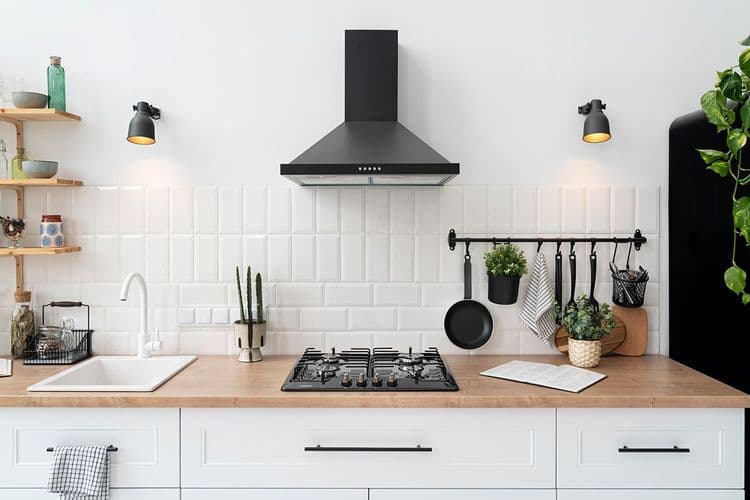
Kitchen chimneys improve air quality, hygiene, comfort, and modern kitchen living.

Jojoba oil nourishes scalp, strengthens roots, boosts shine, and prevents hair damage.

Ozempic guide for diabetes control, weight loss, dosage, and side effects.

Moringa offers powerful nutrition, health benefits, versatile uses, but also potential side effects.

Simple natural remedies help eliminate cockroaches safely and keep homes clean and pest-free.

Vitamin C supports immunity, skin health, and healing while preventing deficiency-related health issues.