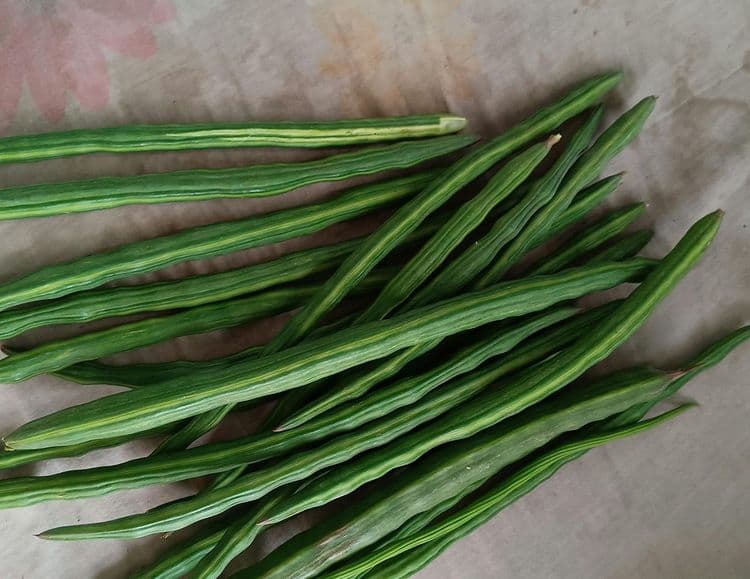
Moringa: Benefits, Uses, and Disadvantages of the Miracle Tree
Moringa offers powerful nutrition, health benefits, versatile uses, but also potential side effects.
Mar 14, 2026
Health

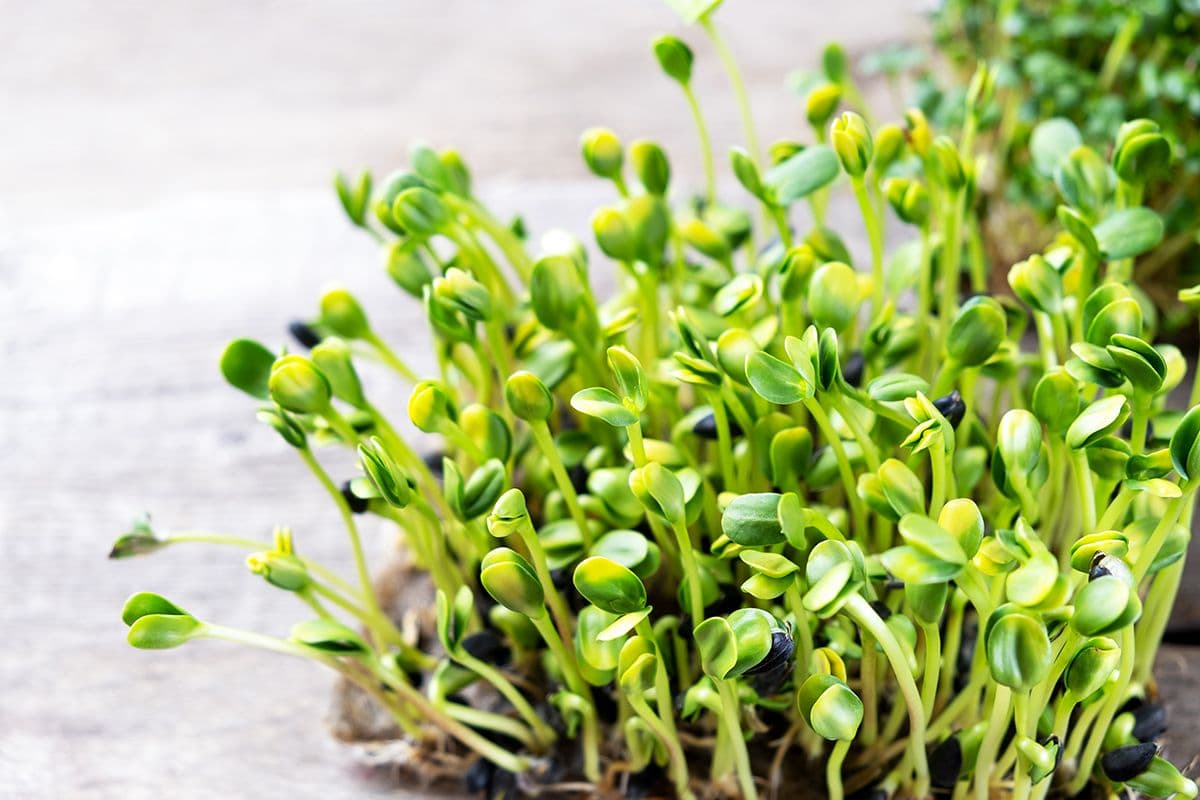
In recent years, microgreens have taken the culinary world by storm, becoming a favorite among home cooks, chefs, and health enthusiasts alike. These little greens are not just a feast for the eyes; they’re also bursting with nutrients. Whether it’s chefs adding a pop of color to their dishes or health buffs cultivating them in their kitchens, microgreens are definitely on the rise.
So, what are microgreens, and why should you consider adding them to your meals? Let’s dive into their benefits, how to use them in cooking, and any potential downsides.
Microgreens are essentially young vegetable greens, typically harvested right after the first true leaves appear. They usually stand about 1 to 3 inches tall and are picked within 7 to 21 days after germination. Despite their petite size, they pack a powerful punch when it comes to vitamins, minerals, and antioxidants.
Some popular varieties of microgreens include: Radish, Broccoli, Beetroot, Sunflower, Kale, Coriander (Cilantro), Basil, Spinach
These greens come from the same seeds as their mature vegetable and herb counterparts, but they’re harvested much earlier, giving them a unique flavor, texture, and nutritional profile.
Microgreens are often hailed as nutritional powerhouses. Research indicates they can contain up to 40 times more nutrients than their fully grown versions.
Microgreens such as red cabbage and amaranth may help lower bad cholesterol (LDL) and promote heart health, thanks to their antioxidant properties.
Greens like cilantro and fennel microgreens are rich in fiber and enzymes that assist in breaking down food and enhancing gut health.
With their high antioxidant content, microgreens help combat free radicals, reduce inflammation, and strengthen your immune system.
They’re easy to cultivate indoors in small containers, requiring minimal space and effort.
Microgreens are low in calories but high in fiber and nutrients. Adding them to meals increases satiety without adding excess calories.
Vitamins like E and A, found abundantly in microgreens, help in maintaining glowing skin and strong hair.
Try enjoying your greens in a fun, mini way!
Microgreens are not just nutritious; they add color, texture, and flavor to a wide variety of dishes:
They offer a mild to spicy flavor depending on the variety, enhancing both taste and presentation.
Despite their many benefits, microgreens are not without potential downsides:
Once harvested, microgreens are highly perishable and can spoil within 2 to 5 days, especially without refrigeration.
Since they are grown in warm, moist conditions, they can be prone to bacterial contamination like E. coli or salmonella if hygiene is poor.
Buying microgreens from a store can be expensive, especially organic ones, due to their short growing cycles and careful handling.
They may not be readily available in rural or small-town areas unless you grow them at home.
Microgreens lose their nutritional value and texture if cooked for too long. They are best consumed raw or lightly added at the end of cooking.
Microgreens are an excellent way to add intense nutrition, fresh flavor, and vibrant color to your meals. Whether you are a health-conscious individual or someone looking to spruce up their meals, incorporating microgreens can make a noticeable difference.
While they have a few limitations, growing them at home or buying them fresh from local sources is a smart, sustainable, and tasty step toward better health.
If you're looking for a natural, low-effort superfood, microgreens might just be the tiny greens with a big impact.
Moringa offers powerful nutrition, health benefits, versatile uses, but also potential side effects.
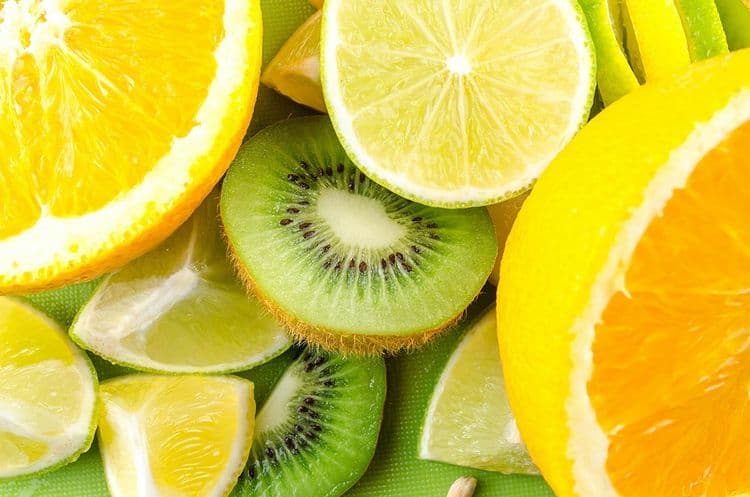
Vitamin C supports immunity, skin health, and healing while preventing deficiency-related health issues.
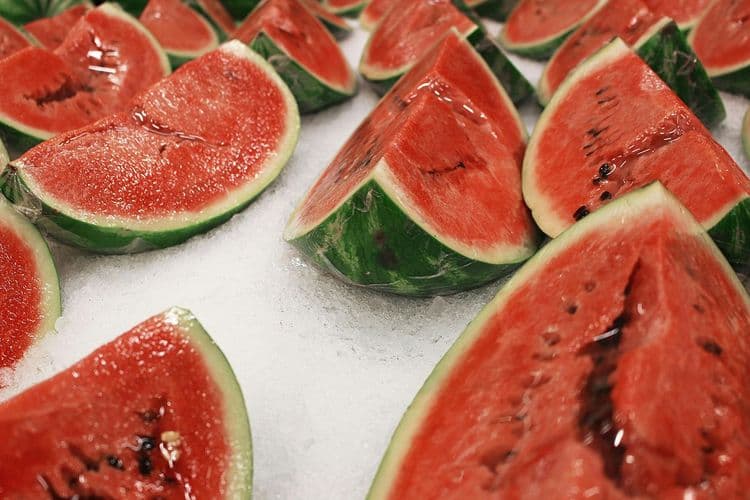
Summer fruits provide hydration, essential vitamins, natural energy, and help keep the body cool.

Healthy summer drinks help maintain hydration, improve energy, cool the body, and prevent dehydration naturally.
Moringa offers powerful nutrition, health benefits, versatile uses, but also potential side effects.
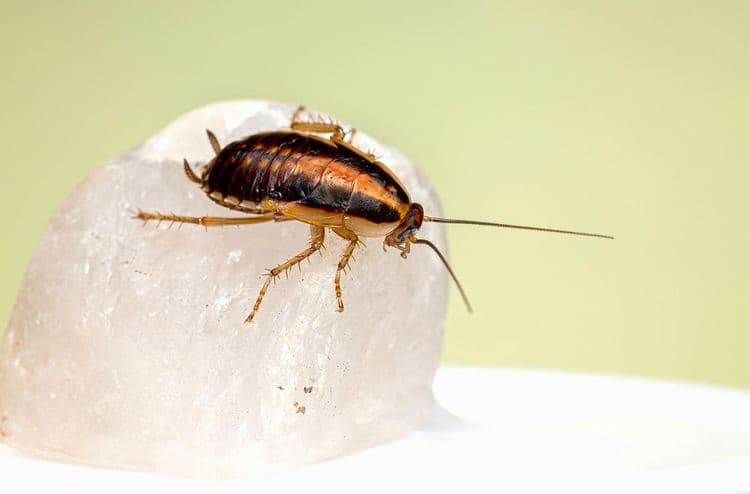
Simple natural remedies help eliminate cockroaches safely and keep homes clean and pest-free.
Vitamin C supports immunity, skin health, and healing while preventing deficiency-related health issues.