
Moringa: Benefits, Uses, and Disadvantages of the Miracle Tree
Moringa offers powerful nutrition, health benefits, versatile uses, but also potential side effects.
Mar 14, 2026
Health

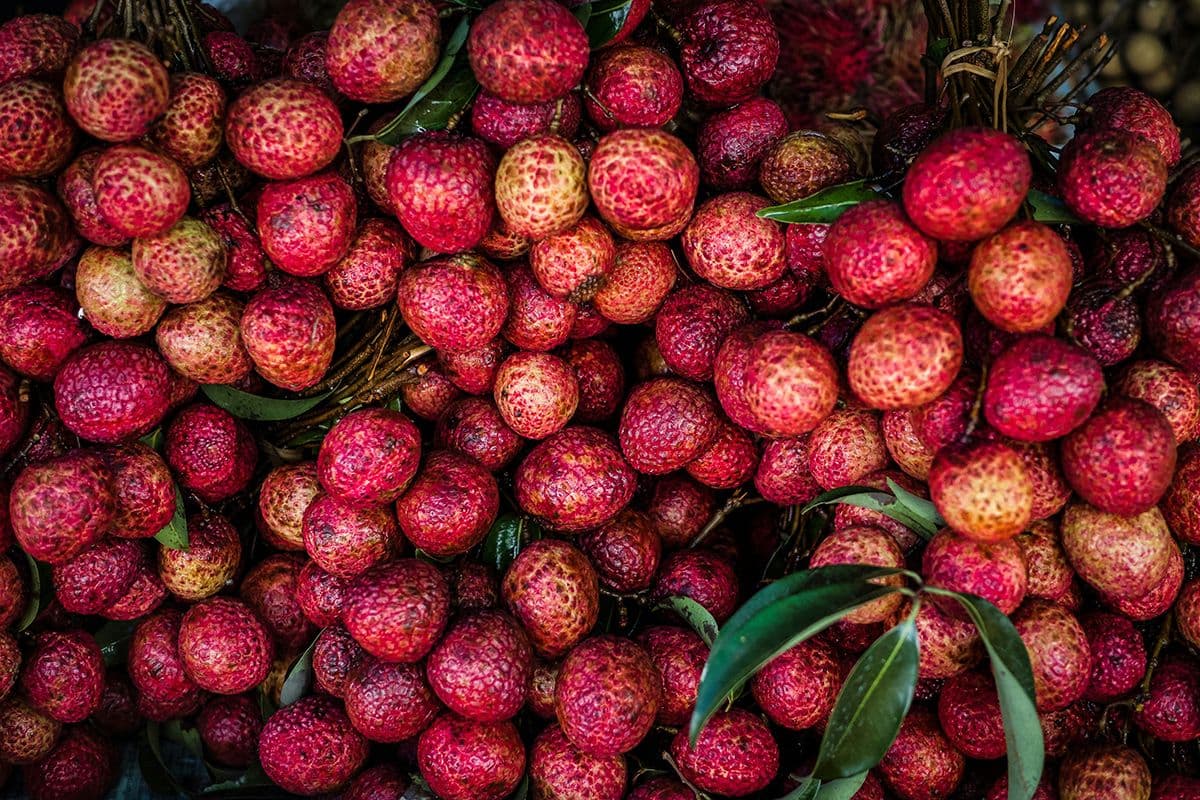
Litchi, also spelled lychee, is a tropical fruit known for its juicy, sweet flavor and refreshing aroma. Native to China and now grown across Asia and parts of the world, this small, round fruit with a spiky red shell is not only delicious but also packed with important nutrients. Often enjoyed fresh, in juices, or desserts, litchi is a summer favorite that offers a variety of health benefits. However, like all good things, it should be consumed in moderation and with awareness of possible risks.
Here's an in-depth look at litchi's nutrition profile, its health benefits, and who should be cautious when consuming it.
Litchis are rich in water content and provide several essential vitamins and minerals:
Litchis are primarily a source of natural sugars and vitamin C, along with various antioxidants and minerals.
Litchis are a rich source of vitamin C, an essential nutrient that strengthens the immune system, helps fight off infections, and promotes healthy skin.
The fiber content in litchis aids in digestion by promoting regular bowel movements and preventing constipation. It also supports gut health.
Litchis contain polyphenols such as oligonol, which help fight oxidative stress, reduce inflammation, and may support heart health and anti-aging effects.
Potassium in litchis helps regulate blood pressure, while antioxidants help reduce LDL cholesterol and oxidative damage to blood vessels.
The high levels of vitamin C and antioxidants in litchis promote collagen production, helping maintain skin elasticity and reducing signs of aging.
Being low in calories and fat, litchis can be a great addition to a weight-loss diet. However, due to their high sugar content, portion control is key.
Litchis have high water content, making them an excellent fruit to stay hydrated during hot summer months.
Litchis contain a high amount of natural sugar, which can lead to a spike in blood glucose levels. Diabetics should consume litchis in limited quantities and monitor their blood sugar.
In recent years, outbreaks of hypoglycemic encephalopathy (low blood sugar-induced brain dysfunction) were reported in children in India after consuming unripe litchis on an empty stomach. This condition was linked to the presence of toxins (hypoglycin A and MCPG) in unripe litchis, which interfere with glucose metabolism. Children, especially malnourished ones, should avoid eating unripe litchis or consuming large amounts of ripe ones without food.
Litchis are high in fructose and may cause bloating, gas, or digestive discomfort in individuals with fructose malabsorption or intolerance.
Some people may be allergic to litchi, leading to symptoms like itching, swelling, or rashes. Severe cases can involve difficulty breathing and require immediate medical attention.
Sweet like a litchi, but health lies in moderation.
Litchis are more than just a tasty summer treat-they're a nutritional powerhouse offering immunity-boosting, skin-enhancing, and heart-friendly benefits. However, it's important to consume them in moderation and be aware of the risks, especially for children and people with metabolic conditions like diabetes. With the right precautions, litchis can be a delicious and healthful addition to your diet.
Moringa offers powerful nutrition, health benefits, versatile uses, but also potential side effects.

Vitamin C supports immunity, skin health, and healing while preventing deficiency-related health issues.

Summer fruits provide hydration, essential vitamins, natural energy, and help keep the body cool.

Healthy summer drinks help maintain hydration, improve energy, cool the body, and prevent dehydration naturally.
Moringa offers powerful nutrition, health benefits, versatile uses, but also potential side effects.

Simple natural remedies help eliminate cockroaches safely and keep homes clean and pest-free.
Vitamin C supports immunity, skin health, and healing while preventing deficiency-related health issues.