
Moringa: Benefits, Uses, and Disadvantages of the Miracle Tree
Moringa offers powerful nutrition, health benefits, versatile uses, but also potential side effects.
Mar 14, 2026
Health


Your brain is like a muscle-the more you use it wisely, the stronger and sharper it becomes. In today's fast-paced, information-heavy world, maintaining cognitive fitness is more important than ever. Whether you're a student, working professional, or simply looking to stay mentally agile as you age, these simple habits can help you enhance memory, focus, creativity, and overall mental performance.
Just like physical muscles, your brain needs regular challenges to stay strong. Engaging in mental activities like puzzles, Sudoku, crosswords, or playing chess stimulates your brain and improves problem-solving abilities. You can also use brain-training apps like Lumosity, Peak, or Elevate, which offer fun and scientifically designed games. Want to push your brain further? Try learning something new, such as a foreign language, a musical instrument, or coding-all excellent for neuroplasticity.
Reading is one of the easiest and most powerful ways to boost brainpower. Fiction enhances creativity and imagination, while non-fiction increases your knowledge and comprehension. To deepen the impact, try summarizing what you read in your own words. This practice improves memory retention, focus, and understanding.
Physical health and mental health are closely linked. Regular exercise boosts blood flow to the brain, supplying it with oxygen and nutrients. Activities like aerobics, brisk walking, yoga, and dancing have been proven to enhance memory, learning, and even emotional balance. Just 30 minutes a day can make a noticeable difference.
Your brain needs adequate rest to function well. Sleeping 7-8 hours per night helps with memory consolidation, emotional regulation, and decision-making. Establish a regular sleep routine-avoid screens at least an hour before bed and maintain a calm, dark sleeping environment to improve sleep quality.
Nutrition plays a huge role in brain function. Include omega-3 rich foods like walnuts, flaxseeds, and fatty fish (such as salmon) in your diet. Antioxidants from berries, dark chocolate, and green tea help protect your brain from oxidative stress. Don't forget whole grains, turmeric, broccoli, and pumpkin seeds-they support memory and mood.
Train your brain today, transform your mind tomorrow.
Even 5-10 minutes of daily meditation can reduce stress and increase focus. Mindfulness helps quiet mental noise and improves your ability to stay present, making it easier to retain information and think clearly.
Meaningful conversations and group activities stimulate emotional and cognitive health. Surround yourself with positive people, engage in discussions, and laugh often-it boosts dopamine, which improves mood and mental alertness.
Constant notifications and multitasking can decrease attention span. Instead, set aside "deep work" blocks-periods of uninterrupted focus. Keep your phone away during important tasks to improve productivity and concentration.
Even mild dehydration can lead to brain fog and fatigue. Make it a habit to drink 2-3 liters of water daily to keep your brain functioning at its best.
Writing helps organize your thoughts, improve self-awareness, and enhance emotional control. Maintain a gratitude journal, jot down creative ideas, or simply reflect on your day to keep your brain engaged.
Adopt these habits into your daily routine and give your brain the workout it deserves.
Moringa offers powerful nutrition, health benefits, versatile uses, but also potential side effects.
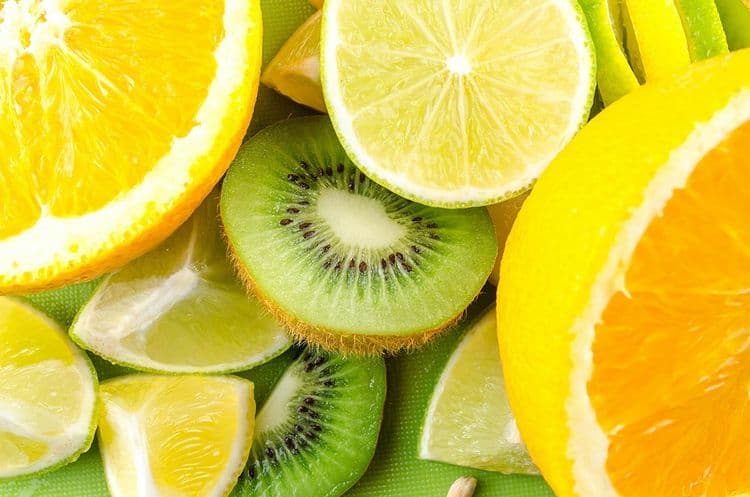
Vitamin C supports immunity, skin health, and healing while preventing deficiency-related health issues.

Summer fruits provide hydration, essential vitamins, natural energy, and help keep the body cool.

Healthy summer drinks help maintain hydration, improve energy, cool the body, and prevent dehydration naturally.
Moringa offers powerful nutrition, health benefits, versatile uses, but also potential side effects.

Simple natural remedies help eliminate cockroaches safely and keep homes clean and pest-free.
Vitamin C supports immunity, skin health, and healing while preventing deficiency-related health issues.