
Moringa: Benefits, Uses, and Disadvantages of the Miracle Tree
Moringa offers powerful nutrition, health benefits, versatile uses, but also potential side effects.
Mar 14, 2026
Health


In today's fast-paced world, many people turn to multivitamin tablets to ensure they're meeting their daily nutritional needs. These supplements promise a simple way to fill dietary gaps and boost overall health. But do you really need them? Are they safe? And how do you choose the right one?
In this article, we'll explore the importance, advantages, disadvantages, and common misconceptions about multivitamin tablets, along with tips on selecting the best option for your needs.
Multivitamins are dietary supplements that contain a combination of essential vitamins and minerals, and sometimes other nutrients like amino acids, herbal extracts, or enzymes. These are typically available in tablet, capsule, gummy, powder, or liquid form.
Multivitamin tablets support general health, compensate for nutrient deficiencies, boost immunity and energy, improve skin, hair, and bone health
Even with a balanced diet, people may miss out on some essential nutrients due to poor soil quality, overcooked food, or dietary restrictions. Multivitamins help bridge these gaps.
Many multivitamins contain vitamin C, D, and zinc, which are crucial for a healthy immune system, especially during flu seasons or times of stress.
Deficiencies in B vitamins (like B1, B2, B6, and B12) can lead to fatigue and weakness. A daily multivitamin can help restore energy and reduce tiredness.
Vitamins like B12, D, omega-3 fatty acids, and folic acid are essential for cognitive health. Long-term use may support better memory and focus.
Biotin, vitamin E, vitamin C, and collagen-supporting nutrients in multivitamins improve skin elasticity, hair growth, and nail strength.
Multivitamins with calcium, vitamin D, magnesium, and vitamin K can support bone density and reduce the risk of fractures in older adults.
They offer an easy way to get multiple nutrients in one pill-especially for people with busy lifestyles or poor eating habits.
Despite their benefits, multivitamins are not a cure-all and may come with some concerns:
Taking excessive amounts of fat-soluble vitamins (like A, D, E, and K) can cause toxicity since they're stored in the body.
Some vitamins and minerals may interfere with medications for heart, blood pressure, or thyroid issues. Always consult your doctor before starting supplements.
Some people rely solely on multivitamins while ignoring proper diet and lifestyle changes. Supplements should complement, not replace, a healthy diet.
Not all brands maintain high manufacturing standards. Some may include harmful additives, improper dosages, or lack transparency.
Its not suitable for every one, always consult a healthcare provider before starting any supplement.
With so many options on the market, choosing the right multivitamin can be overwhelming. Here are some tips:
Multivitamin tablets can be a helpful addition to your health routine, especially if you struggle with a balanced diet. They support immunity, energy, and overall well-being. However, they are not a substitute for nutritious food, exercise, and a healthy lifestyle.
The best multivitamin is a balanced plate. Supplements should only fill the gaps-not replace the meal.
Always consult your doctor or a dietitian before starting supplements, especially if you have underlying health issues or are on medication.
Moringa offers powerful nutrition, health benefits, versatile uses, but also potential side effects.
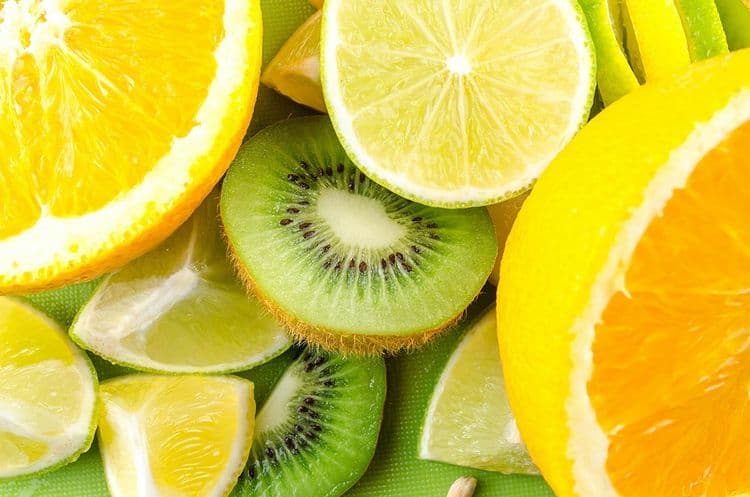
Vitamin C supports immunity, skin health, and healing while preventing deficiency-related health issues.

Summer fruits provide hydration, essential vitamins, natural energy, and help keep the body cool.

Healthy summer drinks help maintain hydration, improve energy, cool the body, and prevent dehydration naturally.
Moringa offers powerful nutrition, health benefits, versatile uses, but also potential side effects.

Simple natural remedies help eliminate cockroaches safely and keep homes clean and pest-free.
Vitamin C supports immunity, skin health, and healing while preventing deficiency-related health issues.